
Don't Under-Engineer or Over-Pay: Understanding Crane Duty Classes
Purchasing an industrial crane solely based on maximum lifting capacity is a common pitfall. The frequency of lifts, high-stress working hours, and average load percentage dictate the wear on gearboxes, drum surfaces, and motors. These factors are defined by **CMAA (Crane Manufacturers Association of America)** and **FEM (Federation Europeenne de la Manutention)** duty cycles.
1. CMAA Duty Classifications Quick Guide:
- Class A (Standby/Infrequent): Used in power plants or turbine rooms. Very low cycles, precision control.
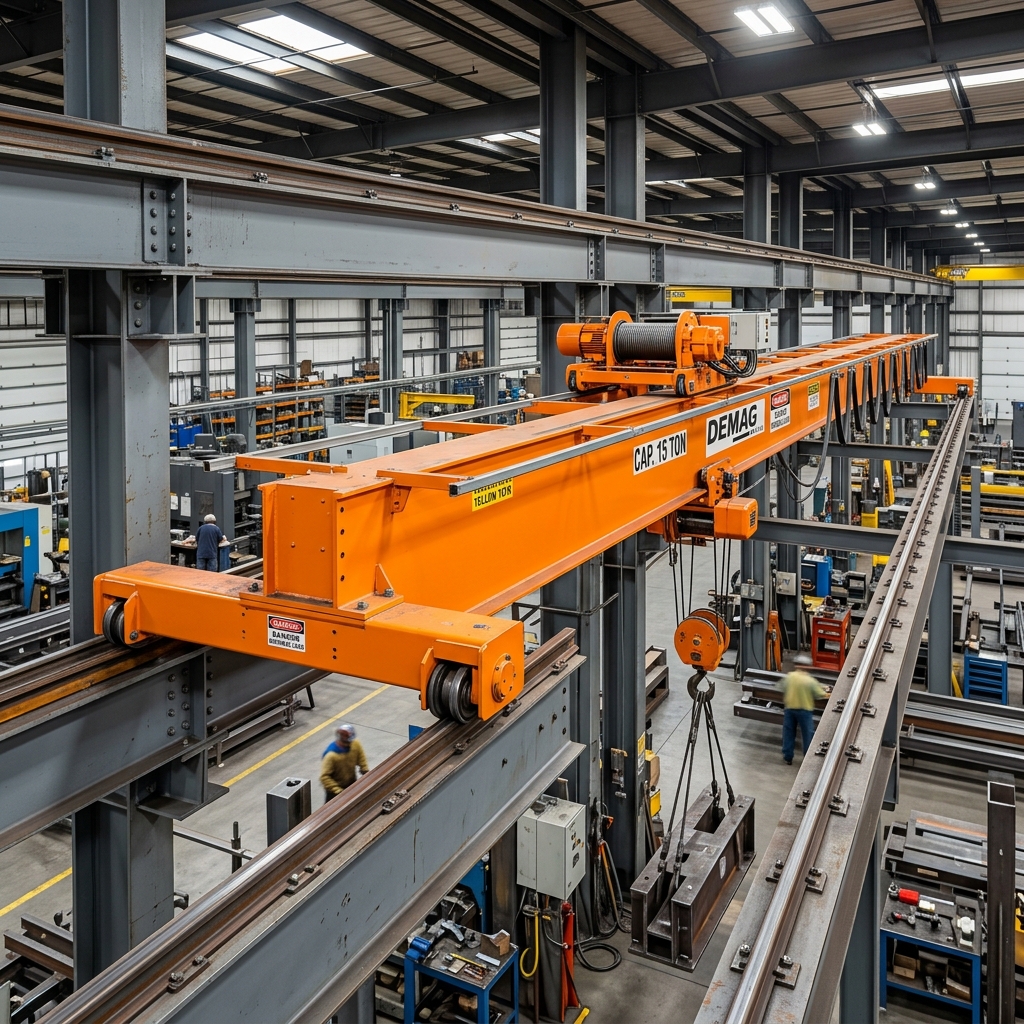
- Class C (Moderate Service): Standard machine shops, general warehousing. Average load is 50% capacity, up to 10 lifts per hour.
- Class E (Severe Service): Scrap yards, steel fabricators. Continuous high cycles, demanding 20+ lifts/hr with high average loads.
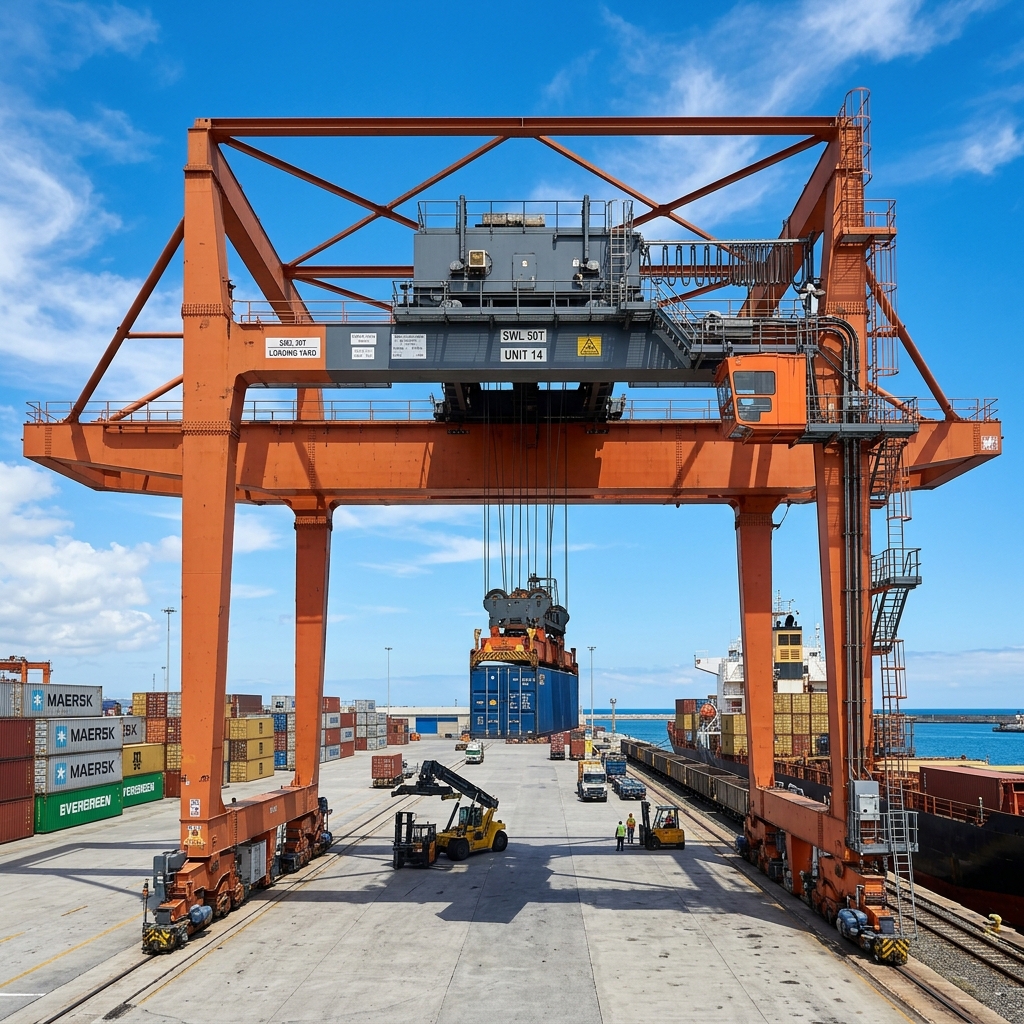
- Class F (Continuous Severe Service): Heavy custom foundries and steel mills operating 24/7 at maximum rated loads.
2. FEM Standards and Fatigue Life
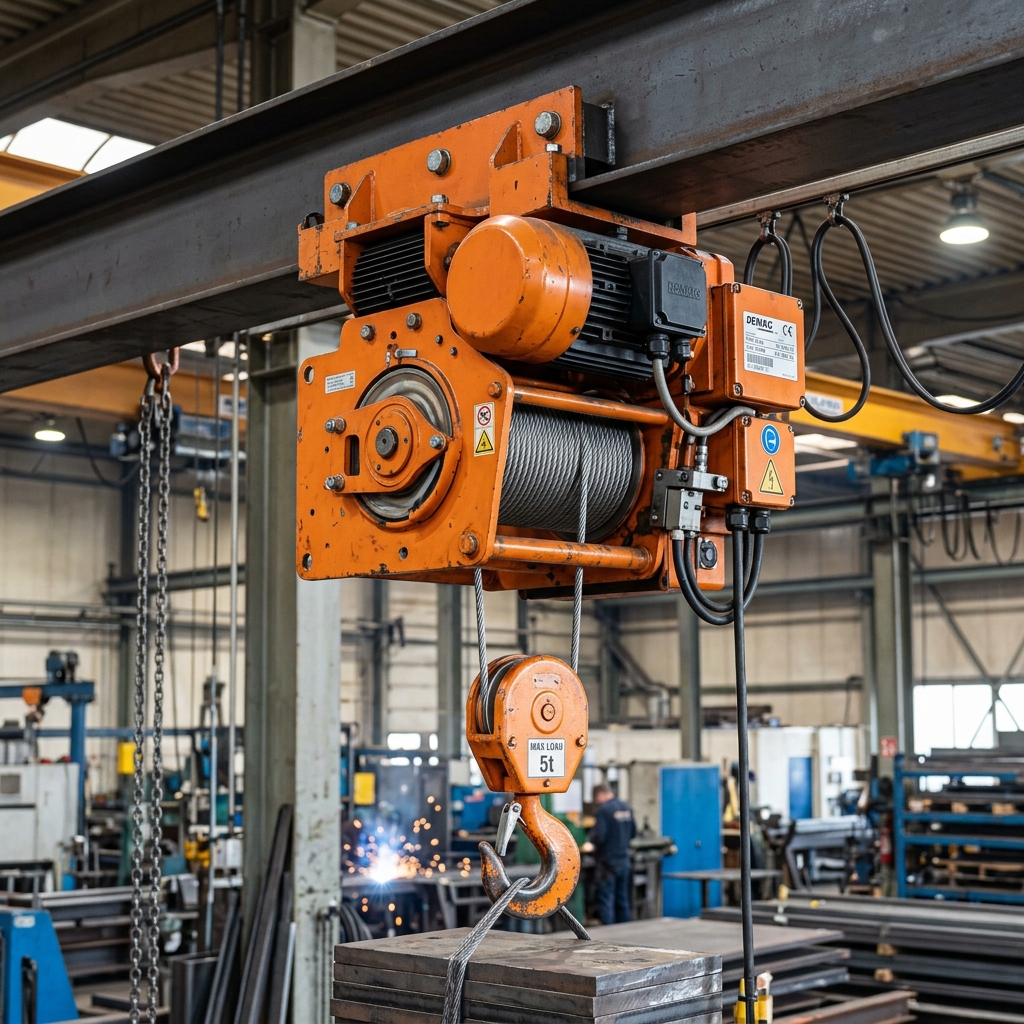
FEM classifications (e.g., 1Am, 2m, 3m) define the expected lifetime in hours for the gearboxes and hoists. Choosing the correct classification prevents early motor burnout and optimizes structural safety factor costs.
Have Specific Lifting Requirements?
Get a precise structural drawing, span clearance checks, and a comprehensive quote within 24 hours.
Frequently Asked Questions
Get quick answers regarding industrial cranes, heavy lifting parameters, and engineering protocols.
Single girder EOT cranes are typically ideal for lighter lifting capacities (up to 15-20 Tons) and shorter spans, offering cost-efficiency and lower building load. Double girder EOT cranes are recommended for heavy-duty applications (up to 100+ Tons), longer spans, higher hook heights, and intense continuous duty cycles.
All DBS Engineers overhead cranes are custom-engineered and fabricated in strict compliance with IS:3177 and IS:4137 Indian Standards, as well as international FEM (Federation Europeenne de la Manutention) guidelines, ensuring precise structural deflection ratios and safety factor compliance.
The standard lead time varies from 4 to 8 weeks depending on the capacity, structural span complexity, and specialized automation features. The timeline includes design approval, steel plate rolling, box-girder assembly, testing bed load trials, and shipping.