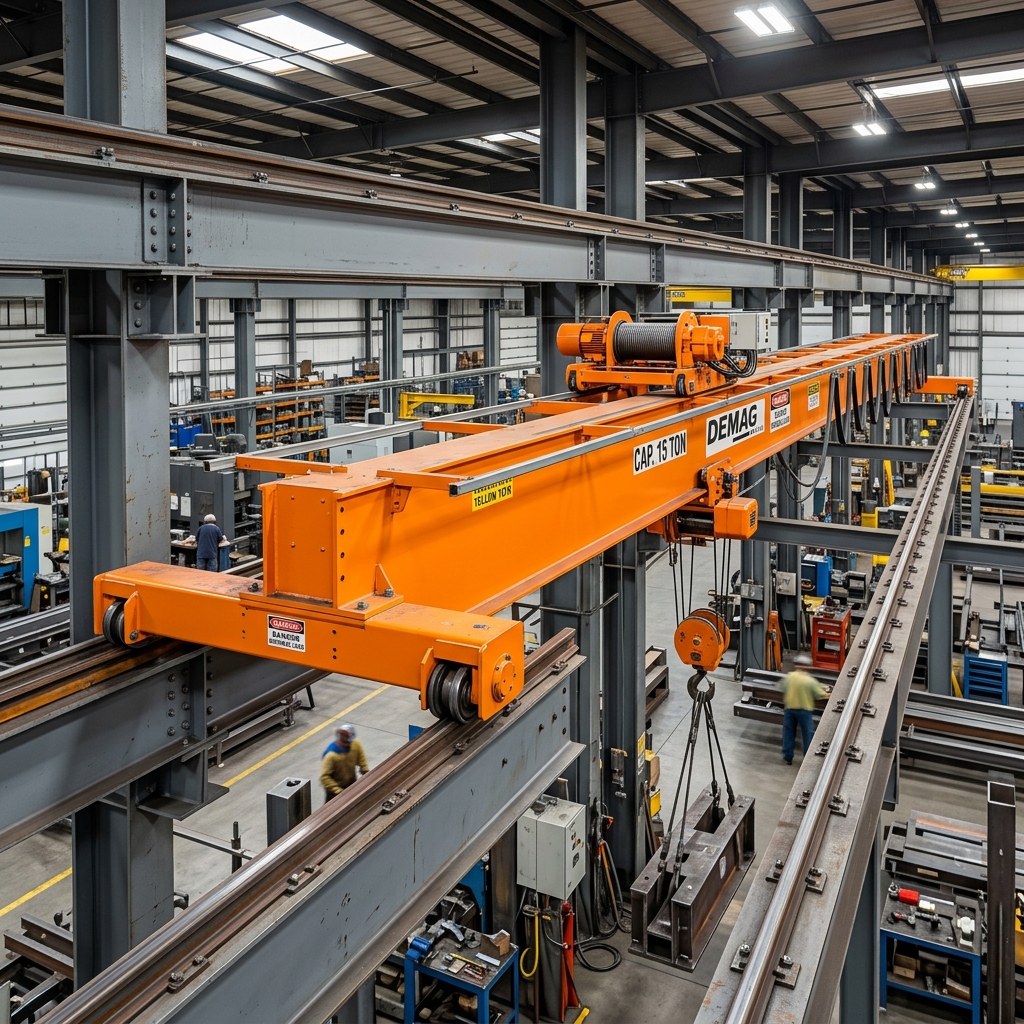
The ROI of EOT Crane Annual Maintenance Contracts
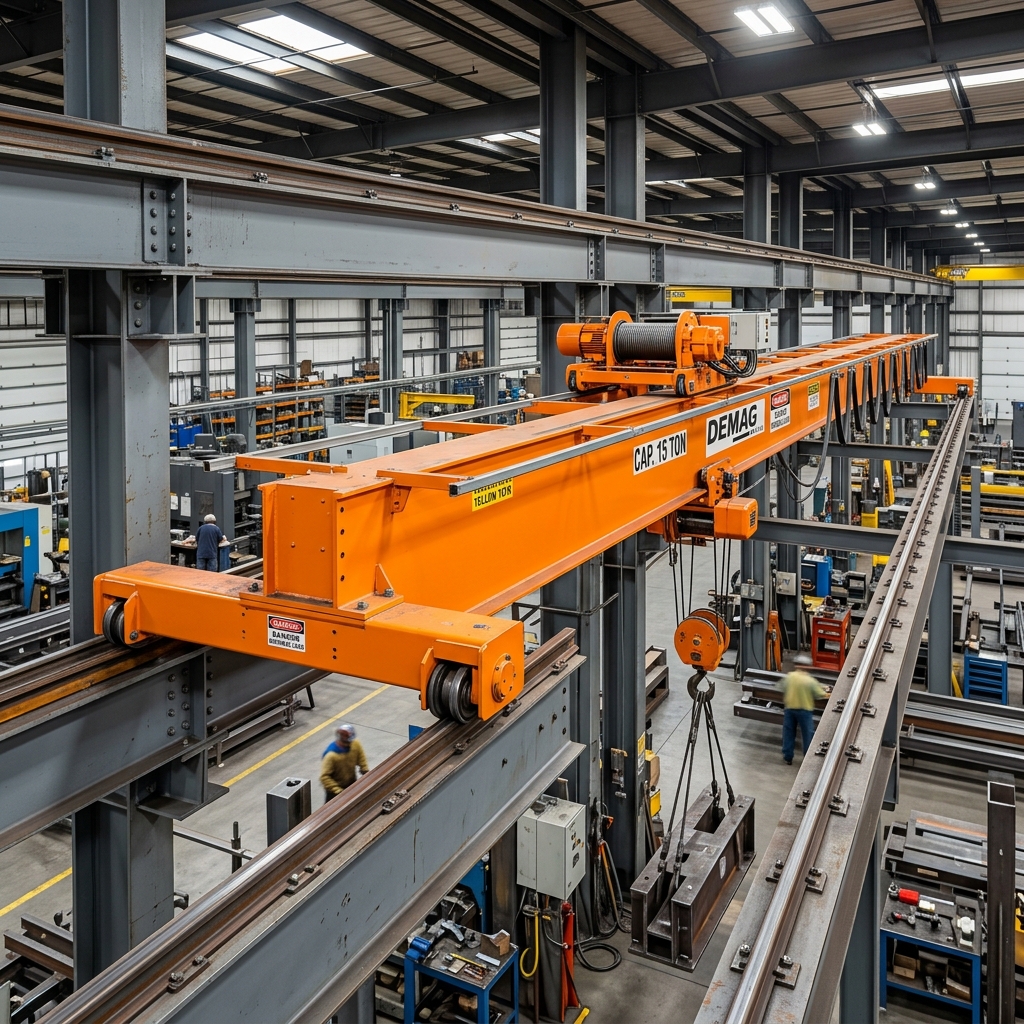
Heavy duty cranes represent a massive capital investment. Protecting these assets requires regular, high-precision tuning by certified crane engineers. An **Annual Maintenance Contract (AMC)** provides complete peace of mind and secures operational efficiency.
Key Benefits of a DBS Crane AMC:
- Guaranteed Regulatory Compliance: We ensure all dynamic load testing, safety limits, and hooks comply with international lifting safety regulations.
- Preventative Priority Support: AMC clients receive fast diagnostic visits and priority emergency troubleshooting if a breakdown occurs.
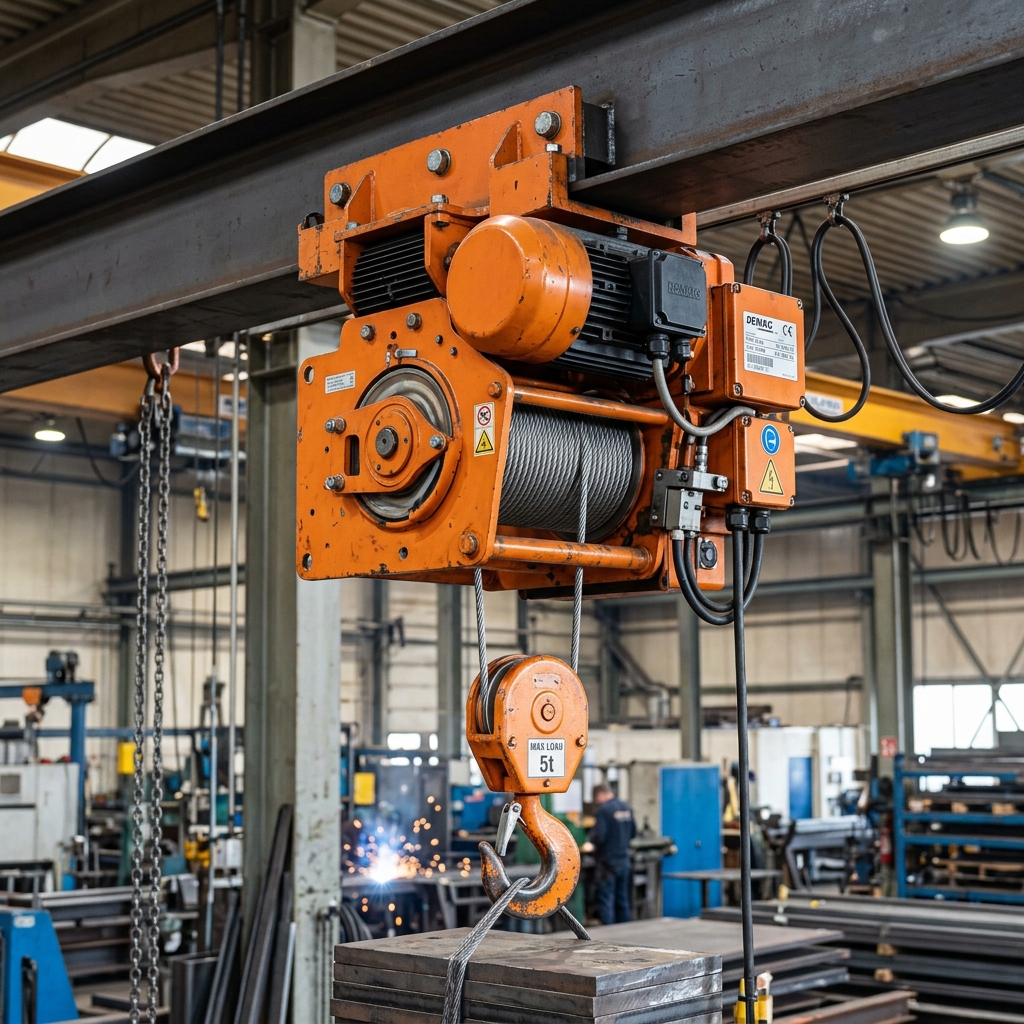
- Pre-planned Parts Replacement: Wear-and-tear items (like carbon brushes, brake pads, and wire ropes) are cataloged and replaced before failure.
Have Specific Lifting Requirements?
Get a precise structural drawing, span clearance checks, and a comprehensive quote within 24 hours.
Frequently Asked Questions
Get quick answers regarding industrial cranes, heavy lifting parameters, and engineering protocols.
Single girder EOT cranes are typically ideal for lighter lifting capacities (up to 15-20 Tons) and shorter spans, offering cost-efficiency and lower building load. Double girder EOT cranes are recommended for heavy-duty applications (up to 100+ Tons), longer spans, higher hook heights, and intense continuous duty cycles.
All DBS Engineers overhead cranes are custom-engineered and fabricated in strict compliance with IS:3177 and IS:4137 Indian Standards, as well as international FEM (Federation Europeenne de la Manutention) guidelines, ensuring precise structural deflection ratios and safety factor compliance.
The standard lead time varies from 4 to 8 weeks depending on the capacity, structural span complexity, and specialized automation features. The timeline includes design approval, steel plate rolling, box-girder assembly, testing bed load trials, and shipping.