The Physics and Regulations of Crane Load Testing
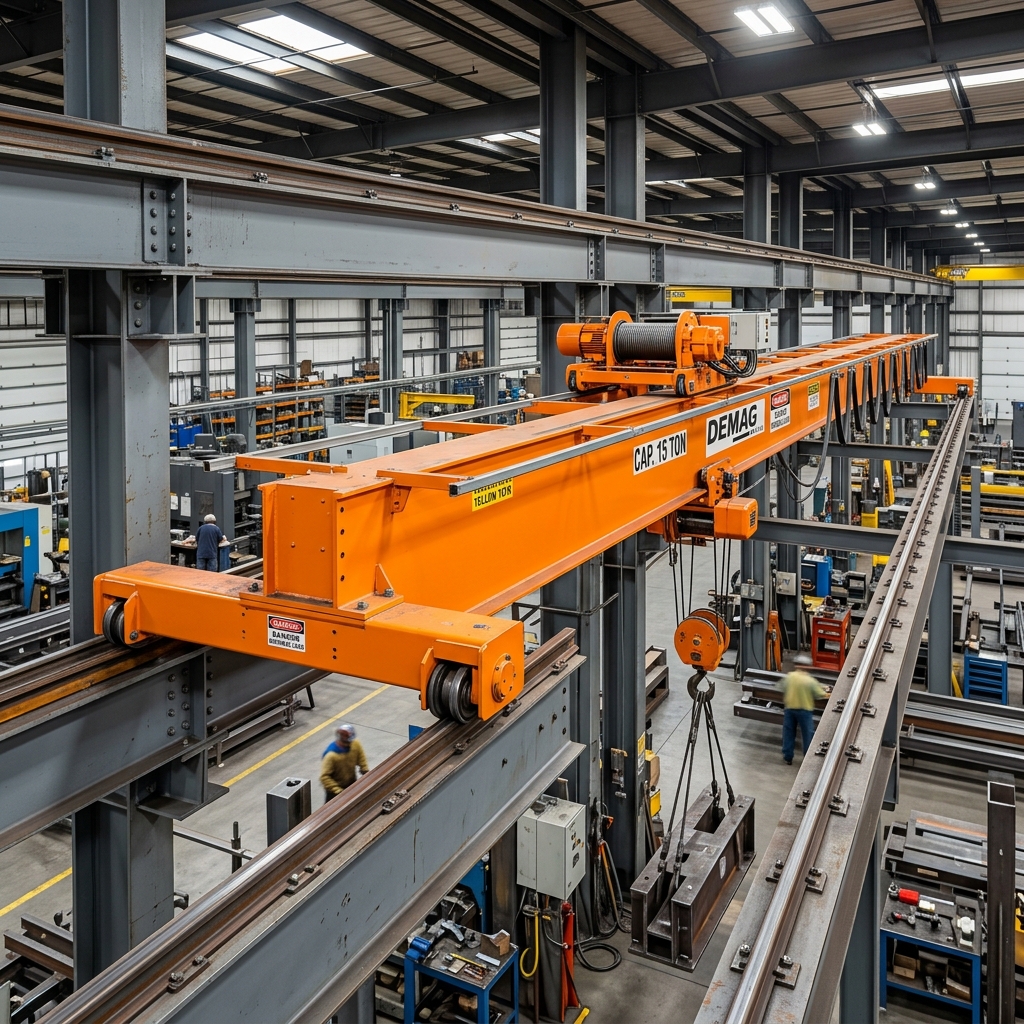
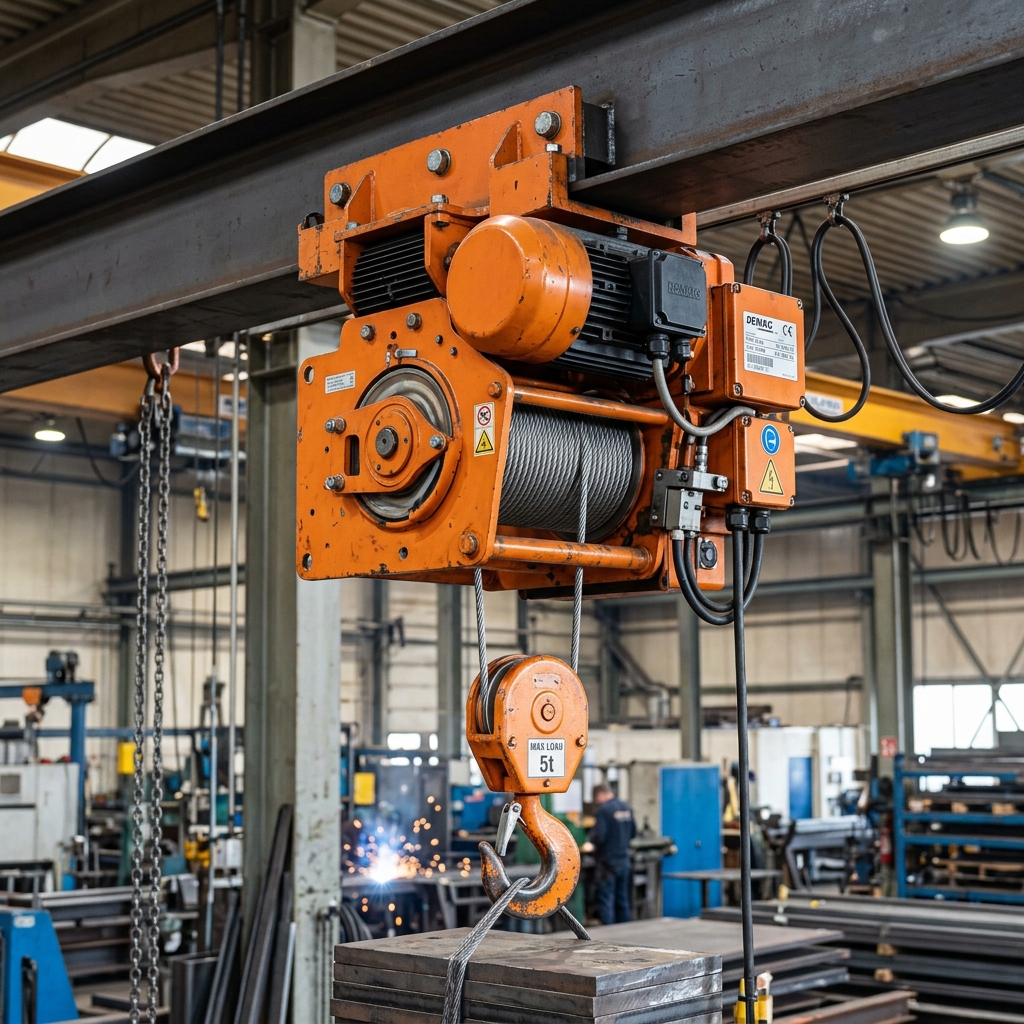
Every newly installed, altered, or repaired crane must undergo an official load test before being placed into service. Load testing ensures that structural girders, end-carriages, hoists, and motor brakes can safely support the maximum rated lifting capacity plus a critical factor of safety.
1. What is the Standard Load Factor?
Typically, standard regulations dictate a load test using between 110% to 125% of the crane's rated capacity. During this test, the hoist must raise, lower, and travel along the entire length of the runway to confirm dynamic stability.
2. When Should You Perform Load Tests?
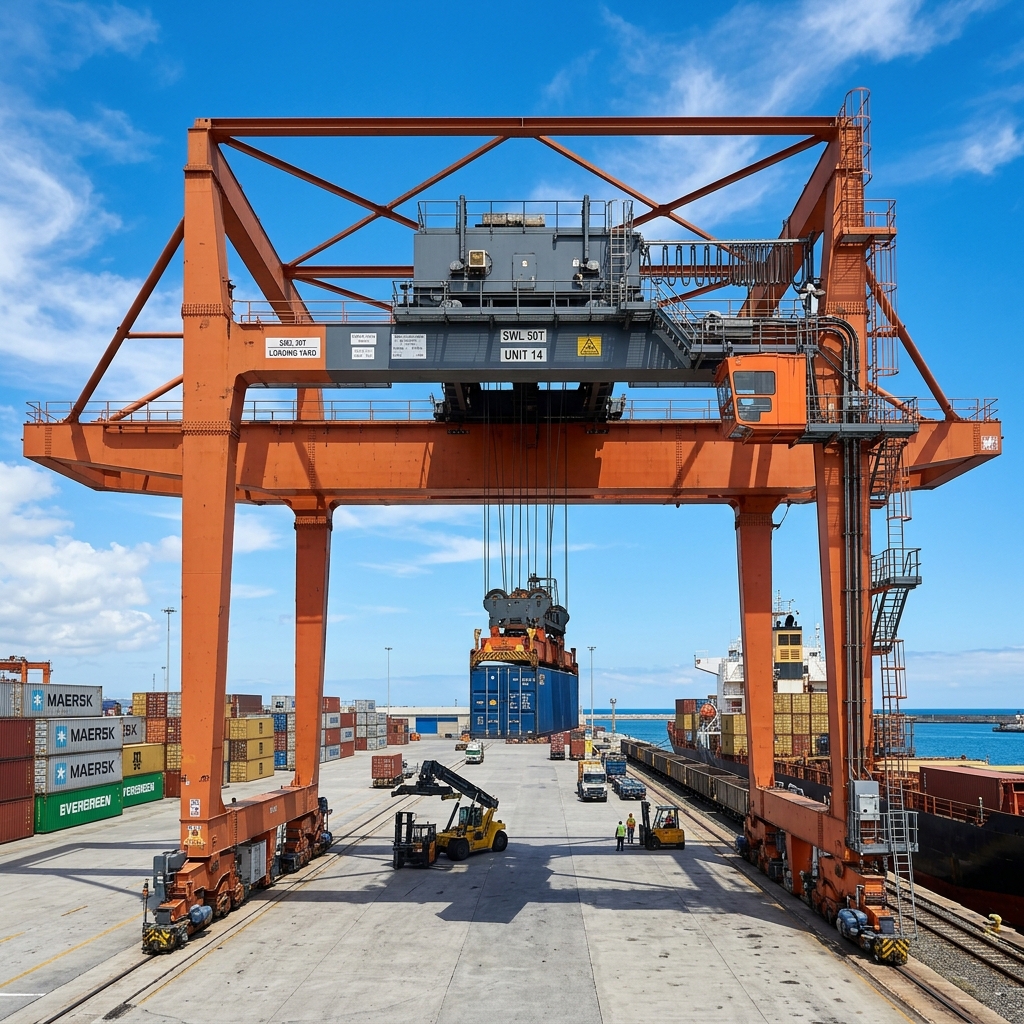
- Immediately post-installation of new EOT or gantry systems.
- Following any structural alterations, major runway repairs, or hoist replacements.
- Regularly as part of compliance audits every 12 to 48 months.
Using calibrated water bags or heavy steel weights is the safest way to execute these dynamic test cycles under expert supervision.
Have Specific Lifting Requirements?
Get a precise structural drawing, span clearance checks, and a comprehensive quote within 24 hours.
Frequently Asked Questions
Get quick answers regarding industrial cranes, heavy lifting parameters, and engineering protocols.
Single girder EOT cranes are typically ideal for lighter lifting capacities (up to 15-20 Tons) and shorter spans, offering cost-efficiency and lower building load. Double girder EOT cranes are recommended for heavy-duty applications (up to 100+ Tons), longer spans, higher hook heights, and intense continuous duty cycles.
All DBS Engineers overhead cranes are custom-engineered and fabricated in strict compliance with IS:3177 and IS:4137 Indian Standards, as well as international FEM (Federation Europeenne de la Manutention) guidelines, ensuring precise structural deflection ratios and safety factor compliance.
The standard lead time varies from 4 to 8 weeks depending on the capacity, structural span complexity, and specialized automation features. The timeline includes design approval, steel plate rolling, box-girder assembly, testing bed load trials, and shipping.