
Introduction to OSHA Overhead Crane Compliance
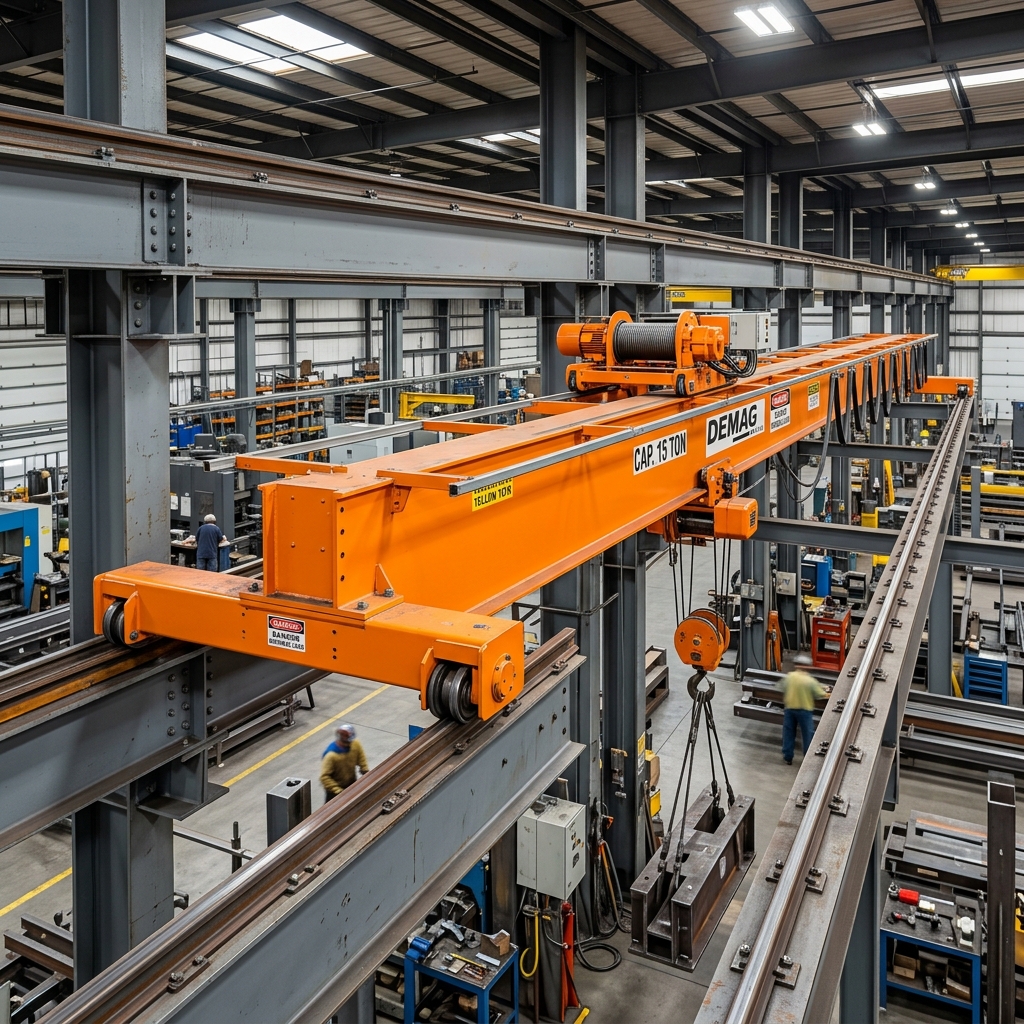
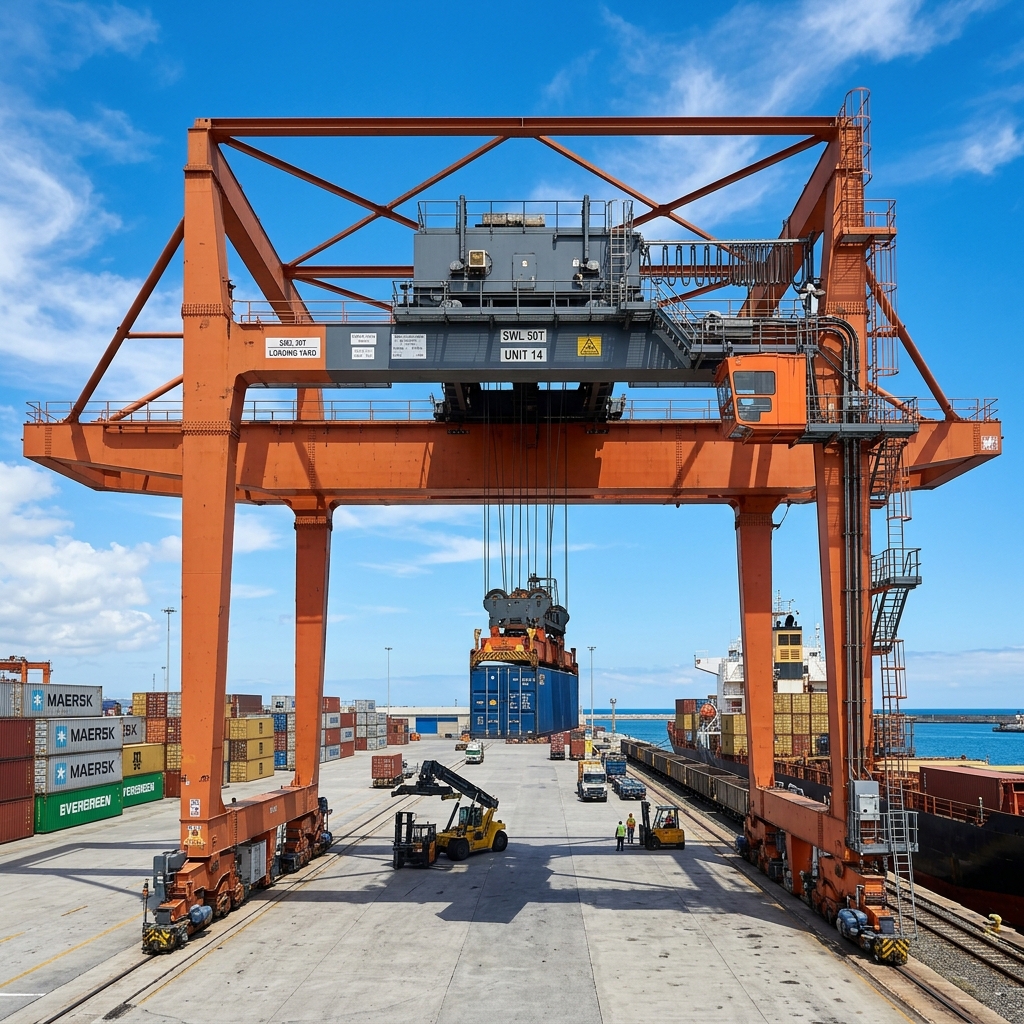
Operating overhead industrial cranes requires absolute adherence to rigorous regulatory standards. OSHA standard 29 CFR 1910.179 dictates strict rules on operating, inspecting, and maintaining overhead crane systems. Failure to follow these can result in heavy penalties and, more importantly, high-risk work environments.
1. OSHA Crane Inspection Classifications
OSHA divides inspections into two primary classes to ensure mechanical integrity:
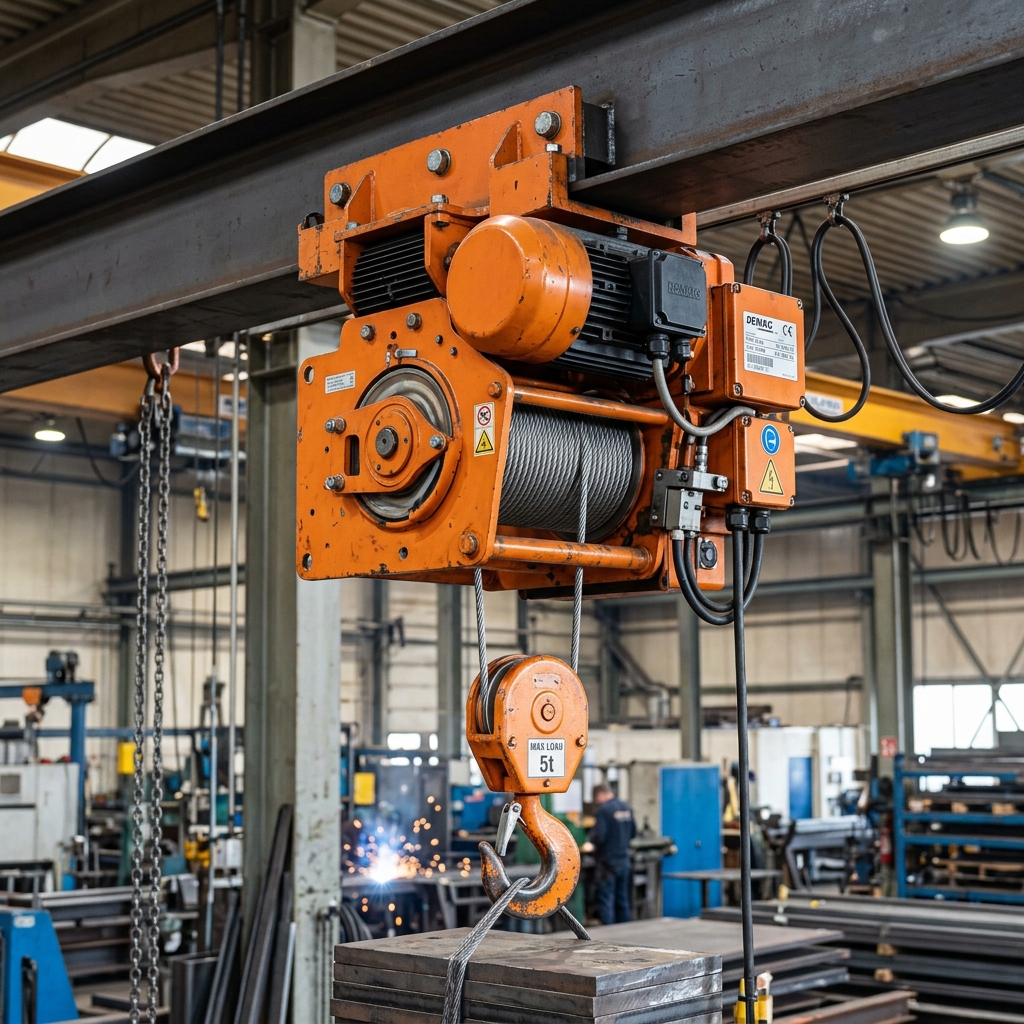
- Frequent Inspections: Conducted daily to monthly. These include visual checkups of hooks, hoist ropes, air or hydraulic systems, and limit switches.
- Periodic Inspections: Conducted monthly to annually depending on load cycles. These involve full audits of structural bolts, distorted crane structures, wear on brake linings, and electrical panels.
2. Core Safe Rigging Best Practices
Always calculate load weights precisely before selecting wire ropes or slings. Ensure all loads are balanced, and avoid loose items on top of structural plates. A single loose bolt falling from height can cause catastrophic damage.
Conclusion
Regular, documented crane inspections are the ultimate defense against workplace hazards. Download our daily OSHA checklist to secure your workforce today.
Have Specific Lifting Requirements?
Get a precise structural drawing, span clearance checks, and a comprehensive quote within 24 hours.
Frequently Asked Questions
Get quick answers regarding industrial cranes, heavy lifting parameters, and engineering protocols.
Single girder EOT cranes are typically ideal for lighter lifting capacities (up to 15-20 Tons) and shorter spans, offering cost-efficiency and lower building load. Double girder EOT cranes are recommended for heavy-duty applications (up to 100+ Tons), longer spans, higher hook heights, and intense continuous duty cycles.
All DBS Engineers overhead cranes are custom-engineered and fabricated in strict compliance with IS:3177 and IS:4137 Indian Standards, as well as international FEM (Federation Europeenne de la Manutention) guidelines, ensuring precise structural deflection ratios and safety factor compliance.
The standard lead time varies from 4 to 8 weeks depending on the capacity, structural span complexity, and specialized automation features. The timeline includes design approval, steel plate rolling, box-girder assembly, testing bed load trials, and shipping.