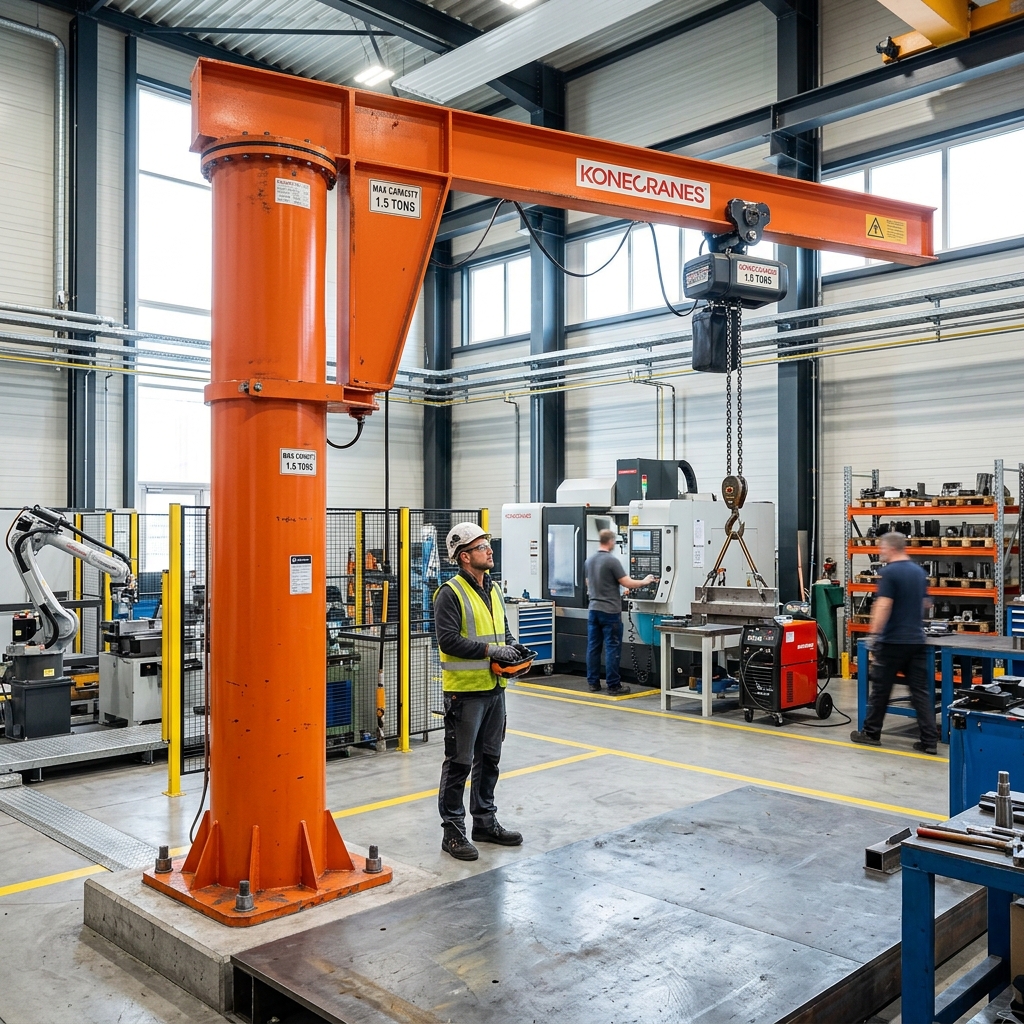
10 Golden Rules for Safe EOT Crane Operation
Human error is a primary cause of crane accidents. Adhering to strict, simple operating rules significantly increases safety margins. Here are our top 10 rules:
- Inspect before you lift: Always execute your daily pre-operational check.
- Never exceed the SWL: Do not load beyond the Safe Working Limit under any circumstances.
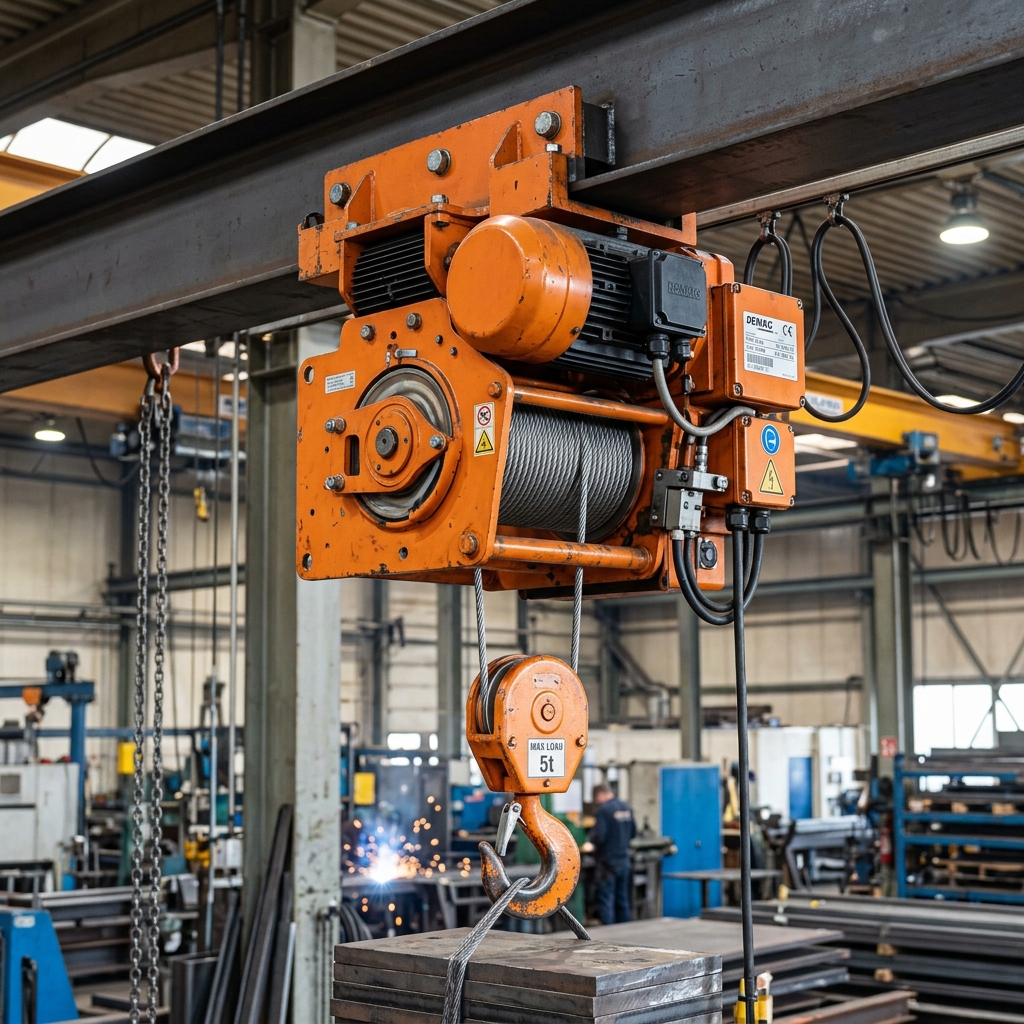
- Avoid side pulling: Hoists are designed only for vertical vertical lifts. Side pulls strain the rope guide and cause dynamic swings.
- Never walk under a suspended load: Ensure the travel path is completely clear of personnel.
- Verify hook latch engagement: Check that the safety latch is fully closed.
- Do not use limit switches as stops: Limit switches are ultimate safety overrides, not operational controllers.
- Never leave a load unattended: Do not walk away while a load is suspended in the air.
- Maintain proper distance: Stay clear of the load and never ride on it.
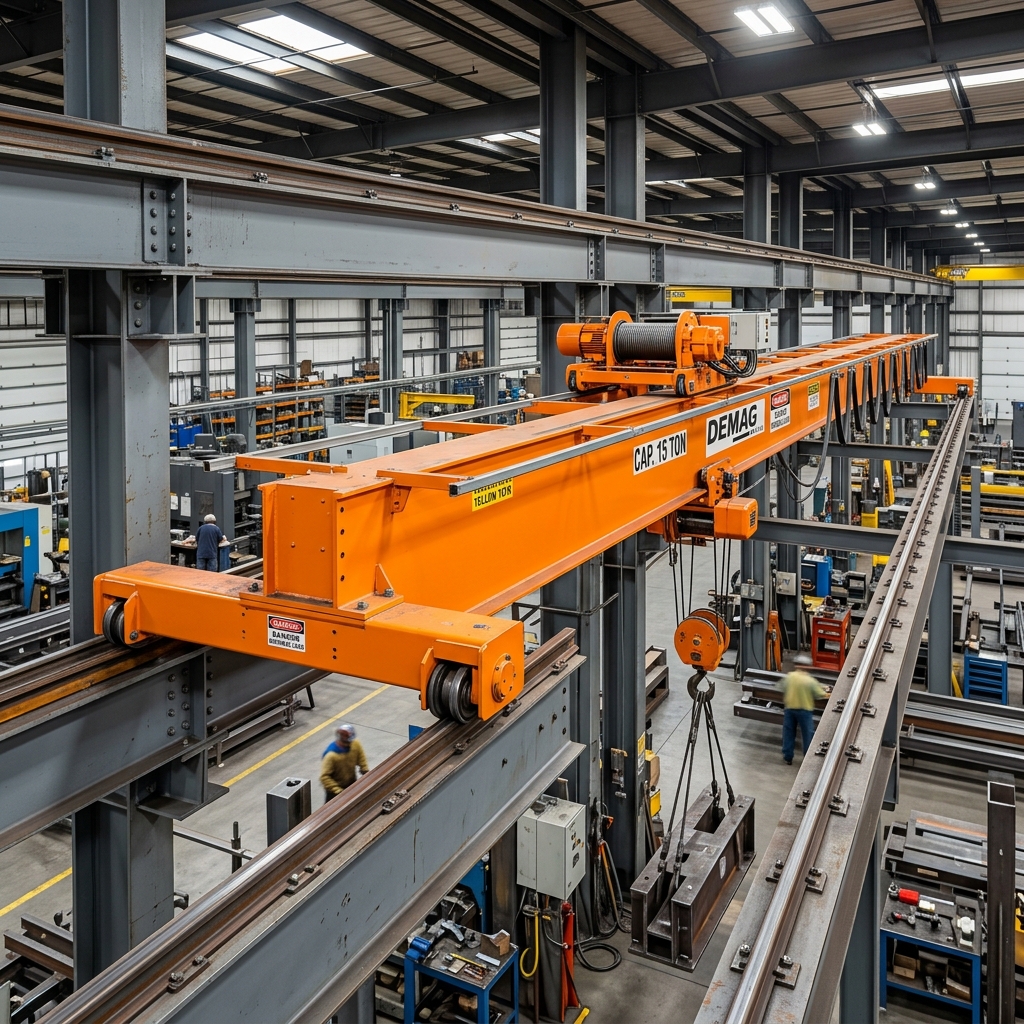
- Watch for overhead obstructions: Scan the entire EOT crane pathway before moving the bridge.
- Stop instantly if signaled: Halt all motions immediately if anyone signals a stop.
Have Specific Lifting Requirements?
Get a precise structural drawing, span clearance checks, and a comprehensive quote within 24 hours.
Frequently Asked Questions
Get quick answers regarding industrial cranes, heavy lifting parameters, and engineering protocols.
Single girder EOT cranes are typically ideal for lighter lifting capacities (up to 15-20 Tons) and shorter spans, offering cost-efficiency and lower building load. Double girder EOT cranes are recommended for heavy-duty applications (up to 100+ Tons), longer spans, higher hook heights, and intense continuous duty cycles.
All DBS Engineers overhead cranes are custom-engineered and fabricated in strict compliance with IS:3177 and IS:4137 Indian Standards, as well as international FEM (Federation Europeenne de la Manutention) guidelines, ensuring precise structural deflection ratios and safety factor compliance.
The standard lead time varies from 4 to 8 weeks depending on the capacity, structural span complexity, and specialized automation features. The timeline includes design approval, steel plate rolling, box-girder assembly, testing bed load trials, and shipping.