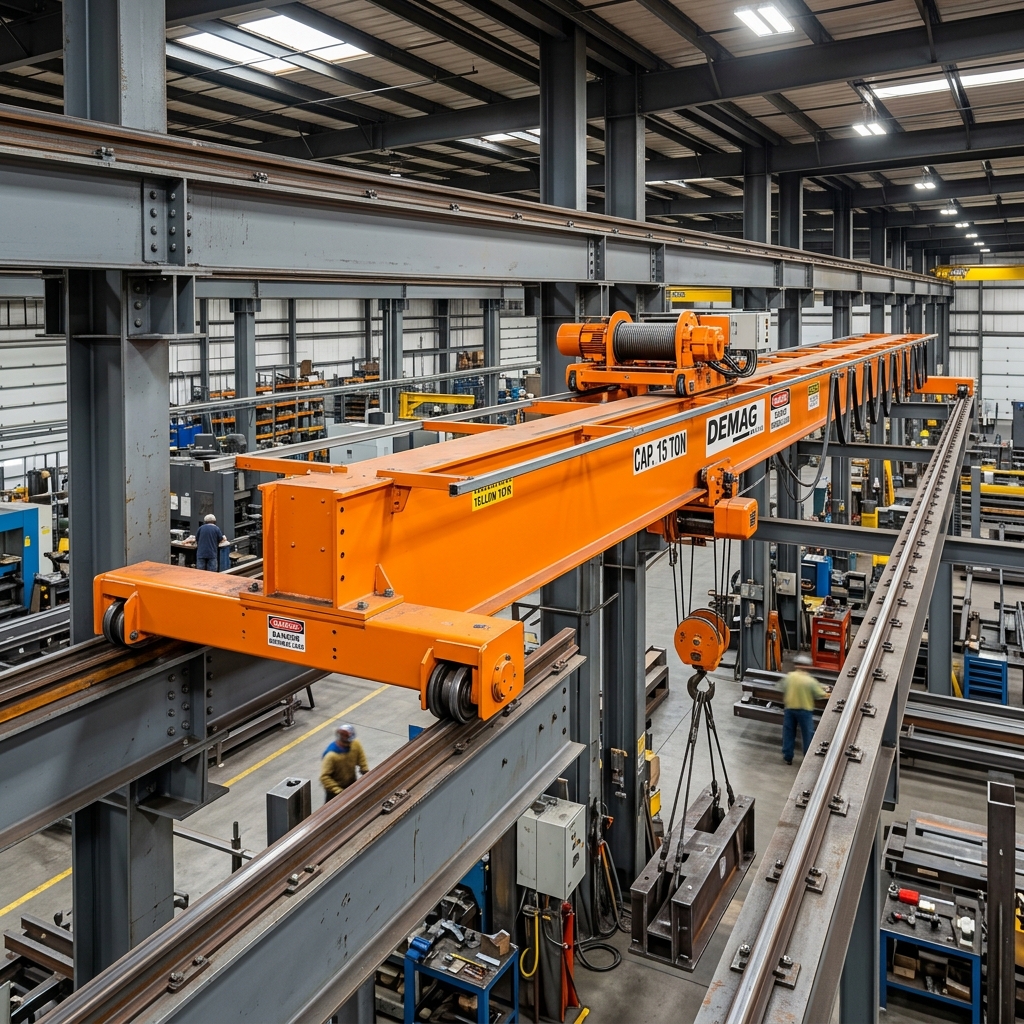
EOT Crane Selection: A Comprehensive Engineering Comparison
Selecting the right EOT crane configuration is a critical engineering decision that dictates your factory layout, structural column costs, and overall operational efficiency. Let's evaluate Single Girder vs Double Girder systems.
1. Single Girder EOT Cranes
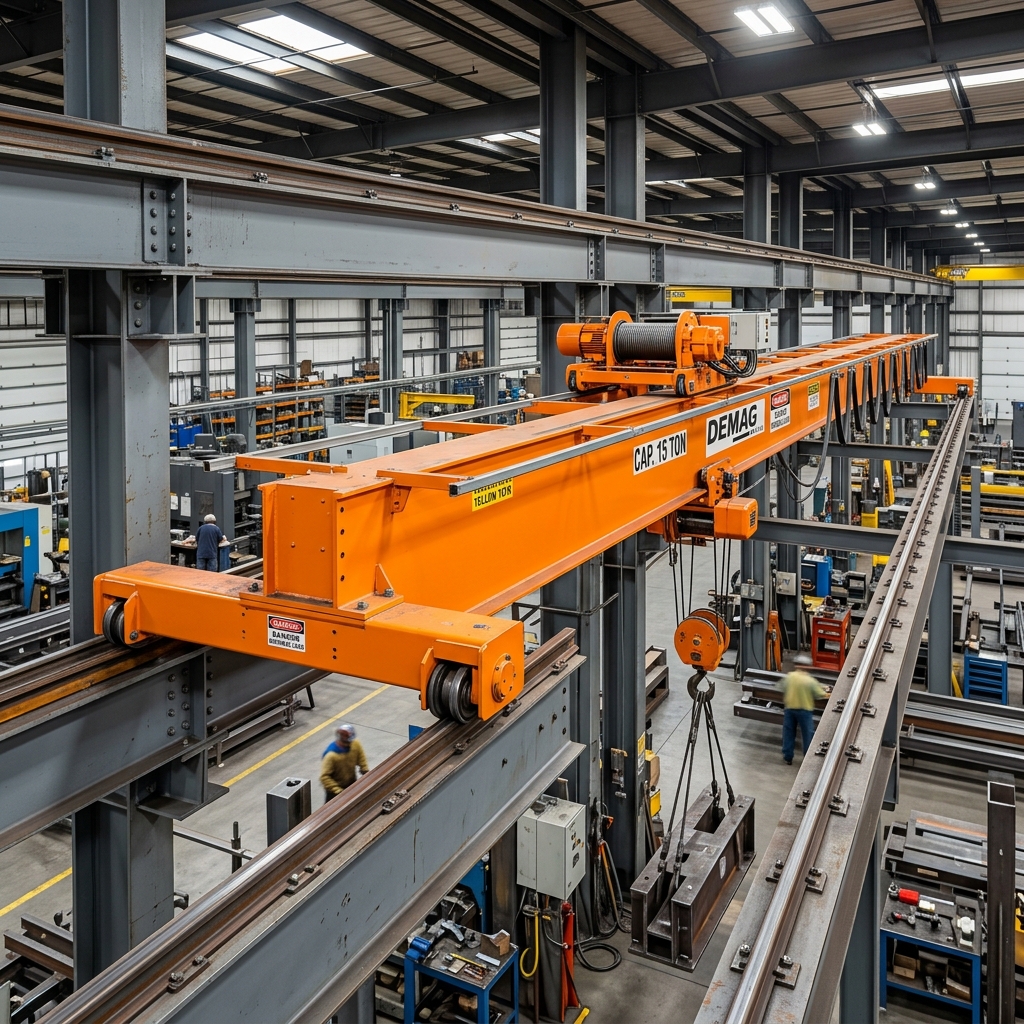
A single girder crane uses one main bridge beam supported by end carriages. The hoist trolley travels along the bottom flange of this girder. Key features:
- Lower deadweight, reducing load stress on plant building pillars.
- Highly cost-effective for spans up to 25 meters and capacities up to 15 Tons.
- Easier and faster to install and maintain.
2. Double Girder EOT Cranes
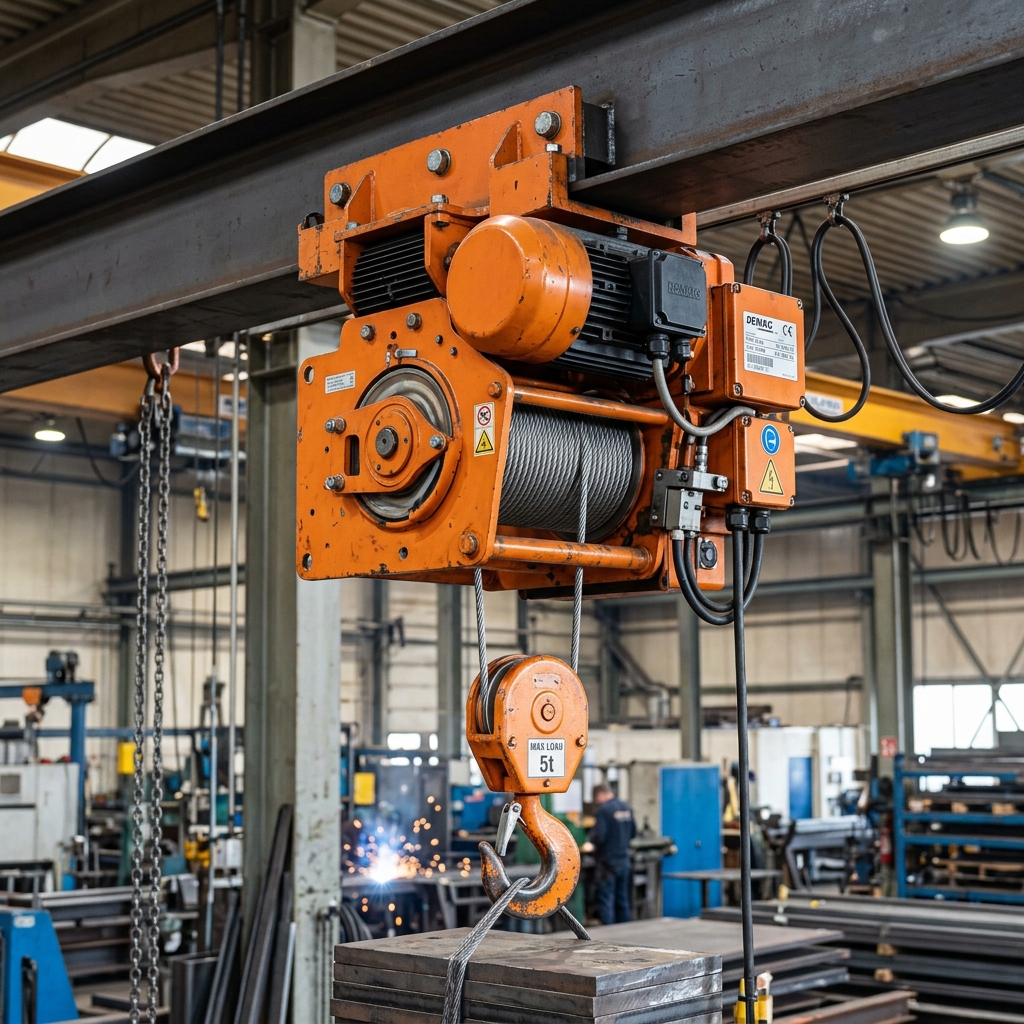
Featuring two parallel main girders, this system supports a crab hoist unit that travels along tracks mounted on top of the bridge beams. Key features:
- Allows maximum lift height as the hook pulls up between the two girders.
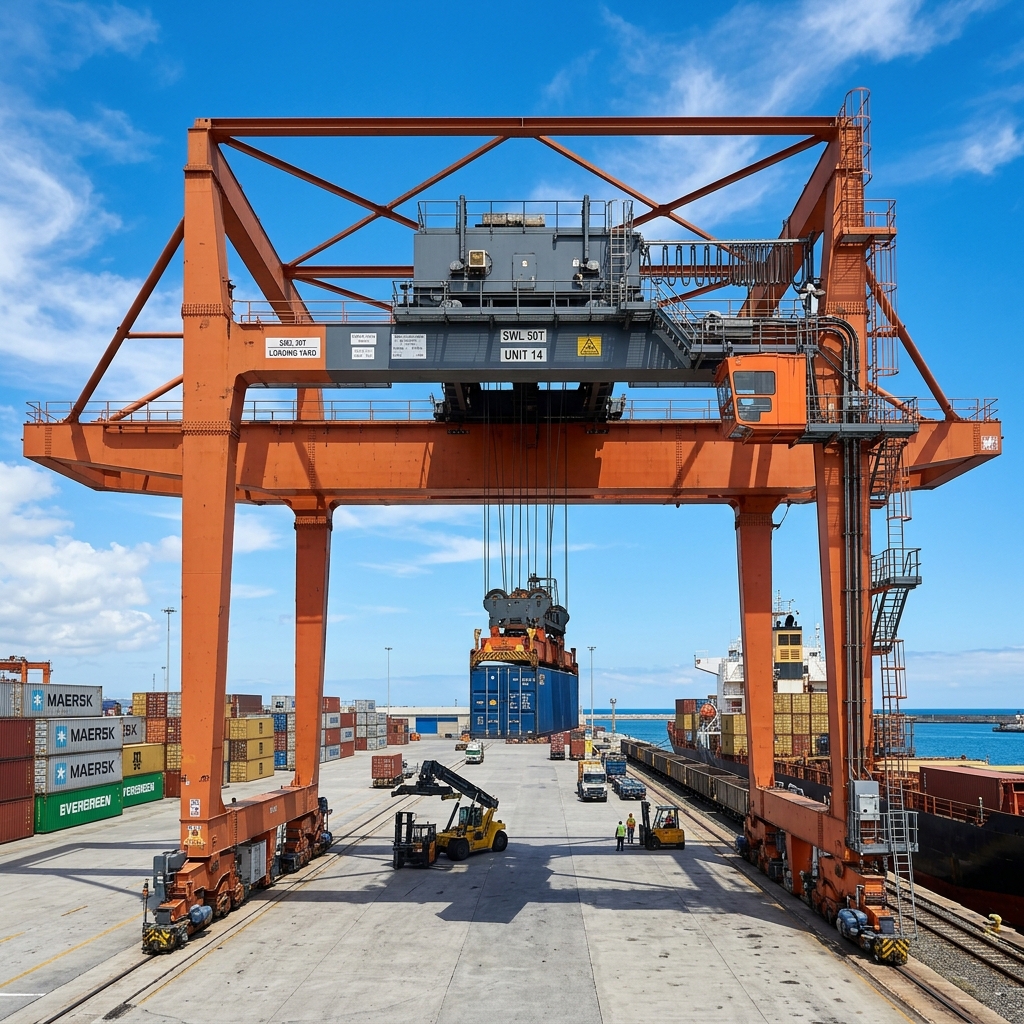
- Capable of handling massive loads (from 20 Tons up to 150+ Tons) and extra-long spans.
- Ideal for adding walkways, platform cabs, and heavy auxiliary hoists.
Have Specific Lifting Requirements?
Get a precise structural drawing, span clearance checks, and a comprehensive quote within 24 hours.
Frequently Asked Questions
Get quick answers regarding industrial cranes, heavy lifting parameters, and engineering protocols.
Single girder EOT cranes are typically ideal for lighter lifting capacities (up to 15-20 Tons) and shorter spans, offering cost-efficiency and lower building load. Double girder EOT cranes are recommended for heavy-duty applications (up to 100+ Tons), longer spans, higher hook heights, and intense continuous duty cycles.
All DBS Engineers overhead cranes are custom-engineered and fabricated in strict compliance with IS:3177 and IS:4137 Indian Standards, as well as international FEM (Federation Europeenne de la Manutention) guidelines, ensuring precise structural deflection ratios and safety factor compliance.
The standard lead time varies from 4 to 8 weeks depending on the capacity, structural span complexity, and specialized automation features. The timeline includes design approval, steel plate rolling, box-girder assembly, testing bed load trials, and shipping.