
Maximizing EOT Crane Reliability through Preventive Schedules
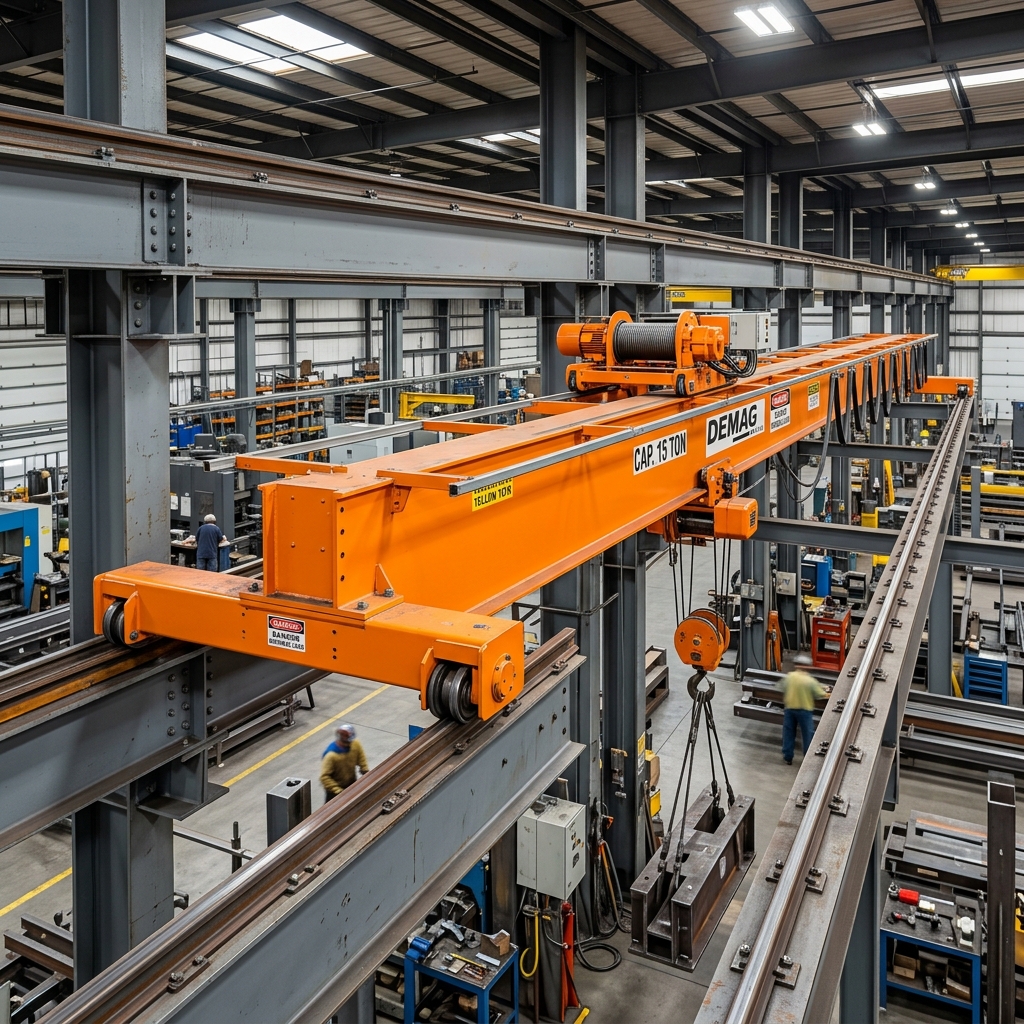
Waiting for a crane to fail before calling a technician is a highly expensive strategy. Unscheduled crane downtime can stall an entire steel fabrication plant or assembly line, resulting in massive production losses. A well-planned **Preventative Maintenance (PM)** program is essential.
1. Scheduled Lubrication Cycles
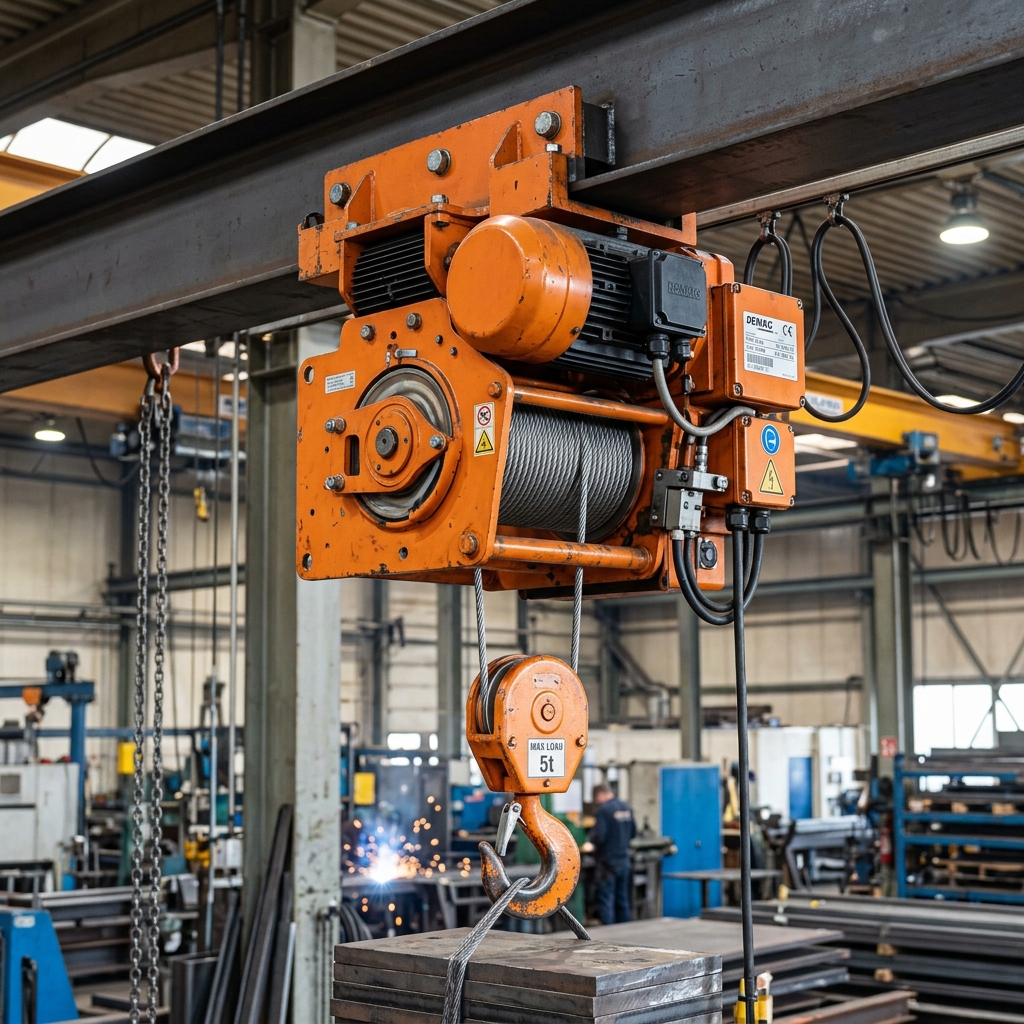
Ensure the hoist wire rope, gear systems, and travel wheel bearings are regularly lubricated. Dry wire ropes wear out up to 5 times faster due to internal friction.
2. Predictive Infrared Thermography
Scanning electrical control panels with thermal cameras identifies loose connections, failing contactors, or hot motors before they burn out or cause electrical fires.
Have Specific Lifting Requirements?
Get a precise structural drawing, span clearance checks, and a comprehensive quote within 24 hours.
Frequently Asked Questions
Get quick answers regarding industrial cranes, heavy lifting parameters, and engineering protocols.
Single girder EOT cranes are typically ideal for lighter lifting capacities (up to 15-20 Tons) and shorter spans, offering cost-efficiency and lower building load. Double girder EOT cranes are recommended for heavy-duty applications (up to 100+ Tons), longer spans, higher hook heights, and intense continuous duty cycles.
All DBS Engineers overhead cranes are custom-engineered and fabricated in strict compliance with IS:3177 and IS:4137 Indian Standards, as well as international FEM (Federation Europeenne de la Manutention) guidelines, ensuring precise structural deflection ratios and safety factor compliance.
The standard lead time varies from 4 to 8 weeks depending on the capacity, structural span complexity, and specialized automation features. The timeline includes design approval, steel plate rolling, box-girder assembly, testing bed load trials, and shipping.