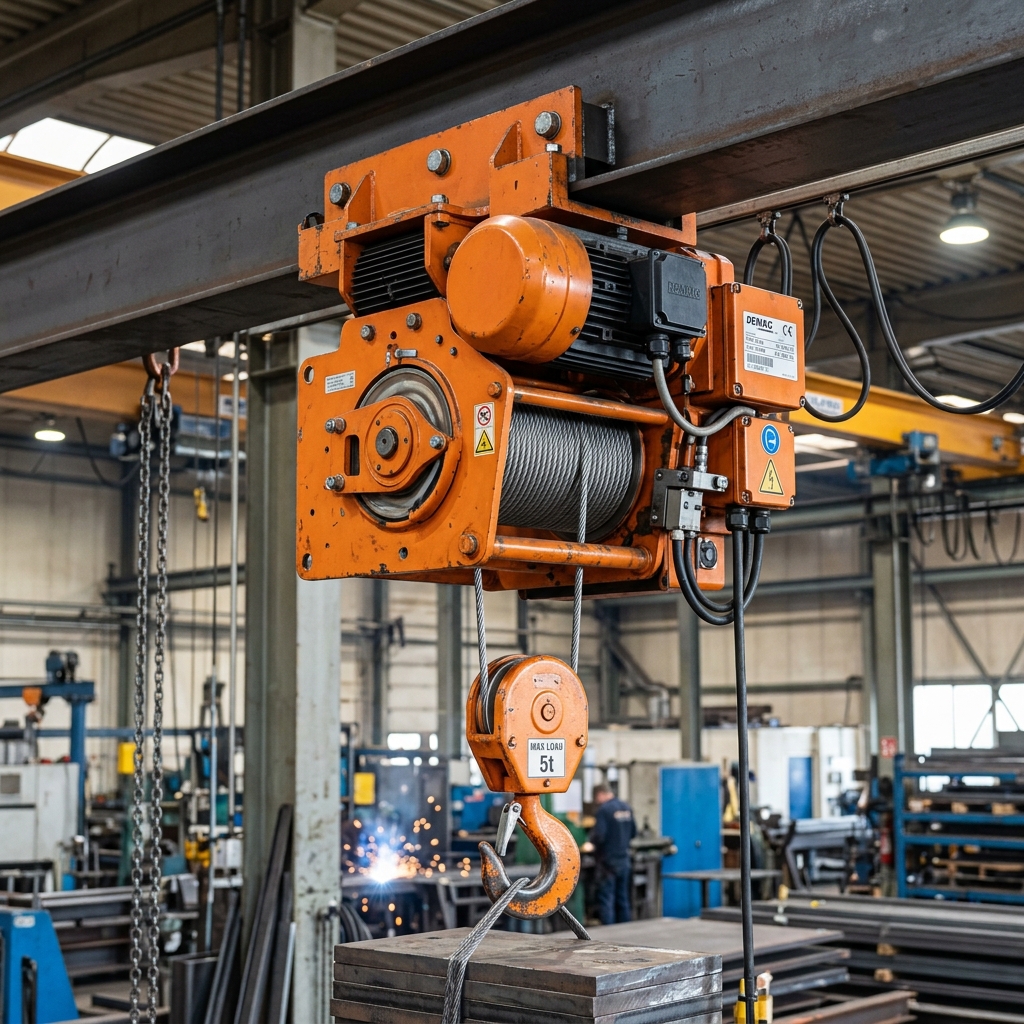
Transforming Crane Dynamics with Variable Frequency Drives
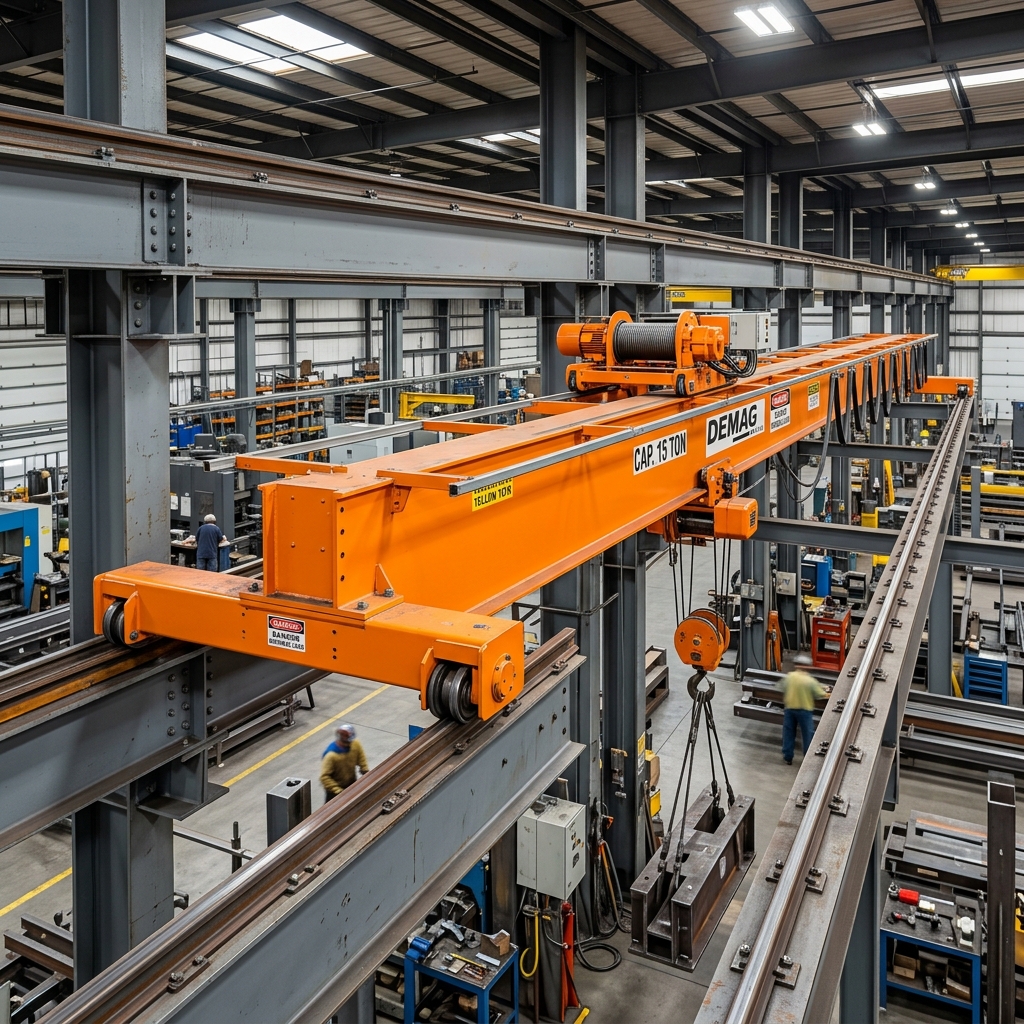
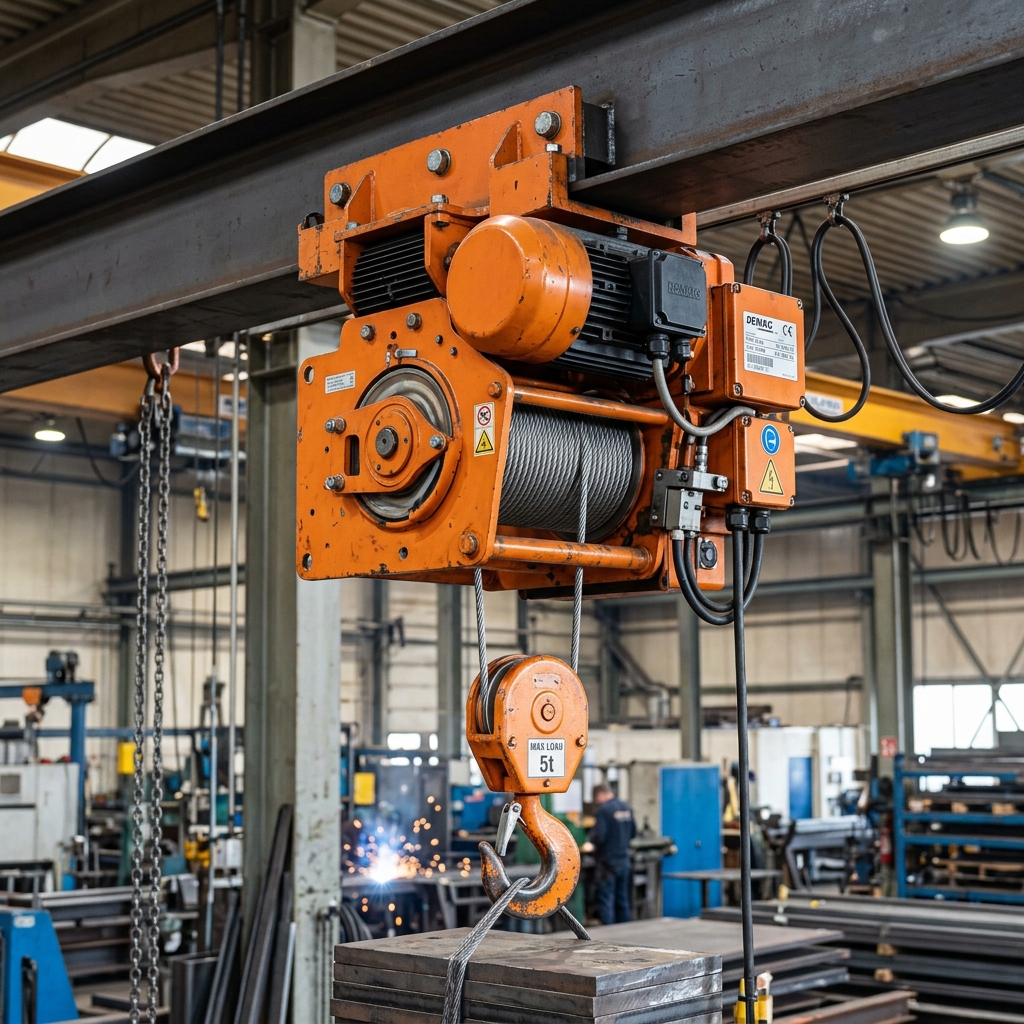
Traditional EOT cranes utilize single-speed or contactor-controlled multi-speed motors. These systems cause sudden, jerky acceleration and deceleration, leading to severe load swings and high impact stress on drive gearboxes and wheels. Integrating modern **Variable Frequency Drives (VFDs)** completely revolutionizes crane physics.
How VFDs Optimize Crane Performance:
- Smooth Stepless Control: Speed ramps up and down incrementally, allowing microscopic precision placement of high-weight loads.
- Anti-Sway Software Integration: By automatically modulating trolley speed during travel, VFD controls neutralize natural pendulum oscillations, eliminating load swings entirely.
- Reduced Power Surge: Eliminates high inrush current spikes, reducing factory power draws and extending electrical contactor life by up to 300%.
Have Specific Lifting Requirements?
Get a precise structural drawing, span clearance checks, and a comprehensive quote within 24 hours.
Frequently Asked Questions
Get quick answers regarding industrial cranes, heavy lifting parameters, and engineering protocols.
Single girder EOT cranes are typically ideal for lighter lifting capacities (up to 15-20 Tons) and shorter spans, offering cost-efficiency and lower building load. Double girder EOT cranes are recommended for heavy-duty applications (up to 100+ Tons), longer spans, higher hook heights, and intense continuous duty cycles.
All DBS Engineers overhead cranes are custom-engineered and fabricated in strict compliance with IS:3177 and IS:4137 Indian Standards, as well as international FEM (Federation Europeenne de la Manutention) guidelines, ensuring precise structural deflection ratios and safety factor compliance.
The standard lead time varies from 4 to 8 weeks depending on the capacity, structural span complexity, and specialized automation features. The timeline includes design approval, steel plate rolling, box-girder assembly, testing bed load trials, and shipping.