Optimizing Local Workstation Throughput with Jib Cranes
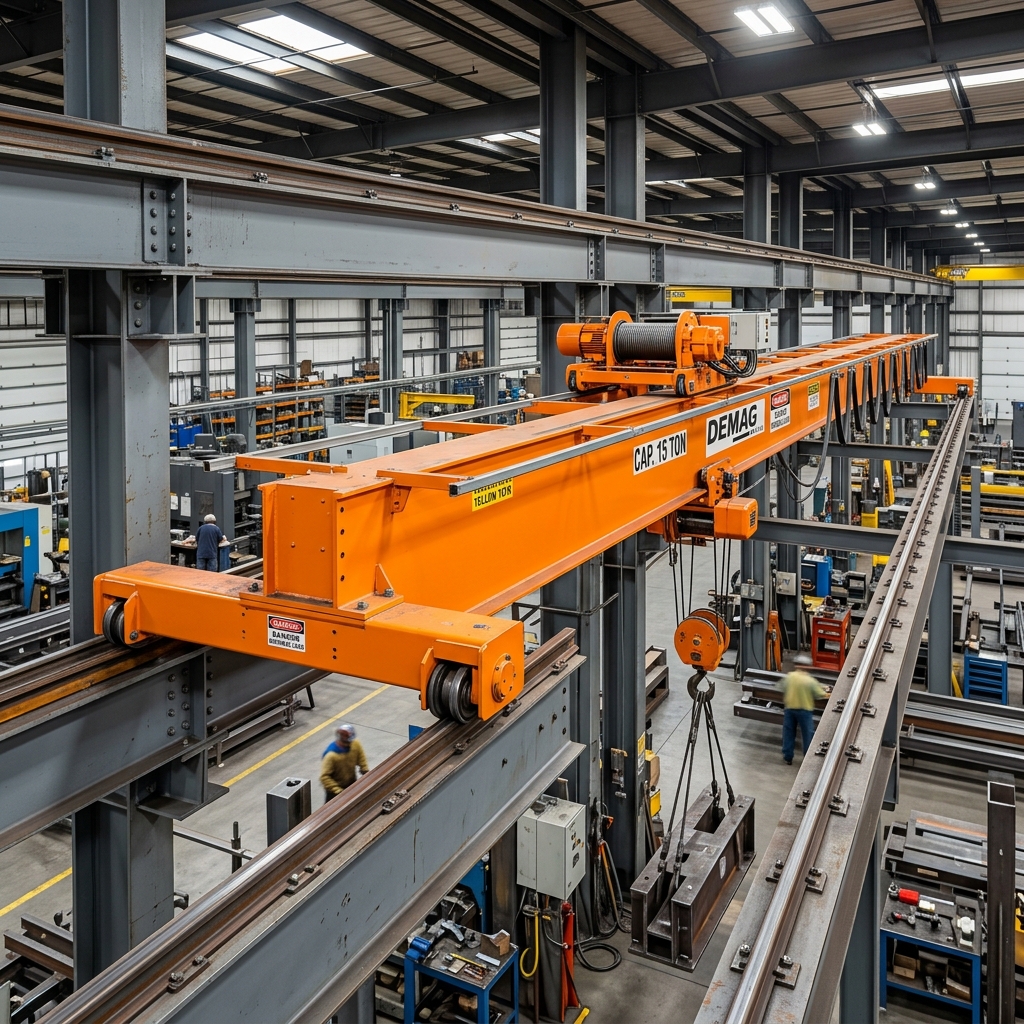
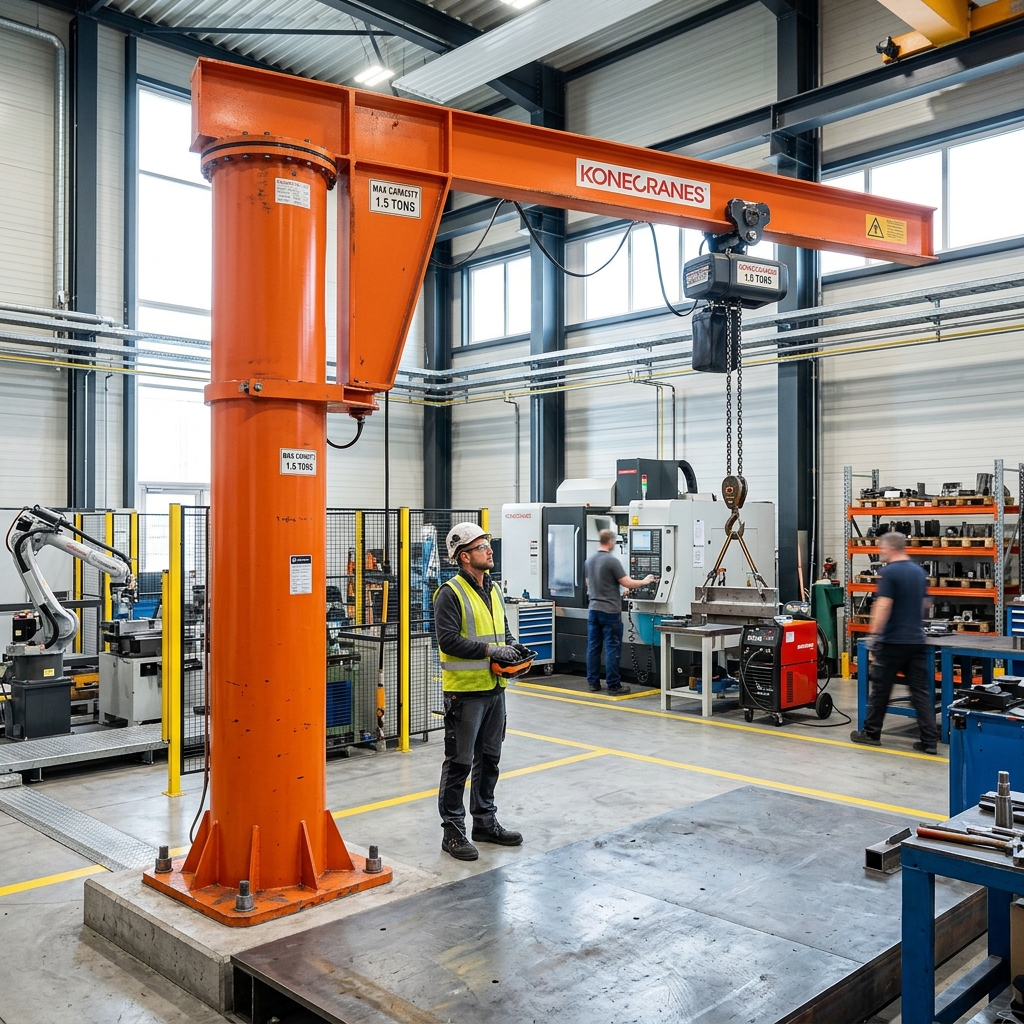
While massive EOT overhead cranes are excellent for moving high-tonnage materials across the entire facility length, using them to load a single local lathe machine or welding station is highly inefficient. It creates production bottlenecks. Standalone **Jib Cranes** provide the ultimate local material handling solution.
1. Pillar Mounted vs Wall Bracket Mounting
- Pillar Jib Cranes: Anchor directly to the shop floor foundation, offering 360-degree continuous rotation. They serve multiple workstations from a single central point.
- Wall Mounted Jib Cranes: Bolt onto existing building columns, saving floor space entirely and providing 180-degree swing reach.
2. Integration with Assembly Lines
By spacing jib cranes at individual work-cells along the assembly line, operators can independently load and unload parts without waiting for the primary overhead EOT crane, cutting production cycles by up to 40%.
Have Specific Lifting Requirements?
Get a precise structural drawing, span clearance checks, and a comprehensive quote within 24 hours.
Frequently Asked Questions
Get quick answers regarding industrial cranes, heavy lifting parameters, and engineering protocols.
Single girder EOT cranes are typically ideal for lighter lifting capacities (up to 15-20 Tons) and shorter spans, offering cost-efficiency and lower building load. Double girder EOT cranes are recommended for heavy-duty applications (up to 100+ Tons), longer spans, higher hook heights, and intense continuous duty cycles.
All DBS Engineers overhead cranes are custom-engineered and fabricated in strict compliance with IS:3177 and IS:4137 Indian Standards, as well as international FEM (Federation Europeenne de la Manutention) guidelines, ensuring precise structural deflection ratios and safety factor compliance.
The standard lead time varies from 4 to 8 weeks depending on the capacity, structural span complexity, and specialized automation features. The timeline includes design approval, steel plate rolling, box-girder assembly, testing bed load trials, and shipping.