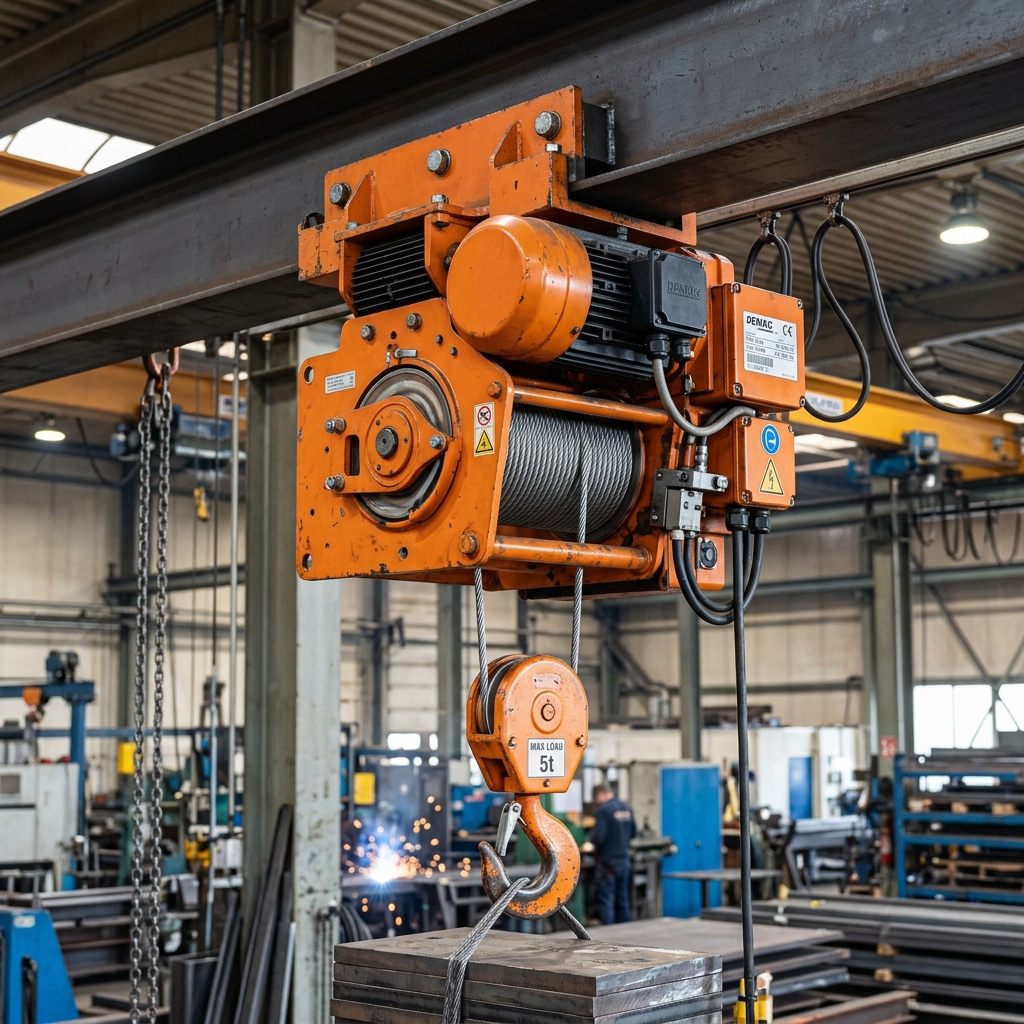
Selecting the Right Localized Material Handling Layout
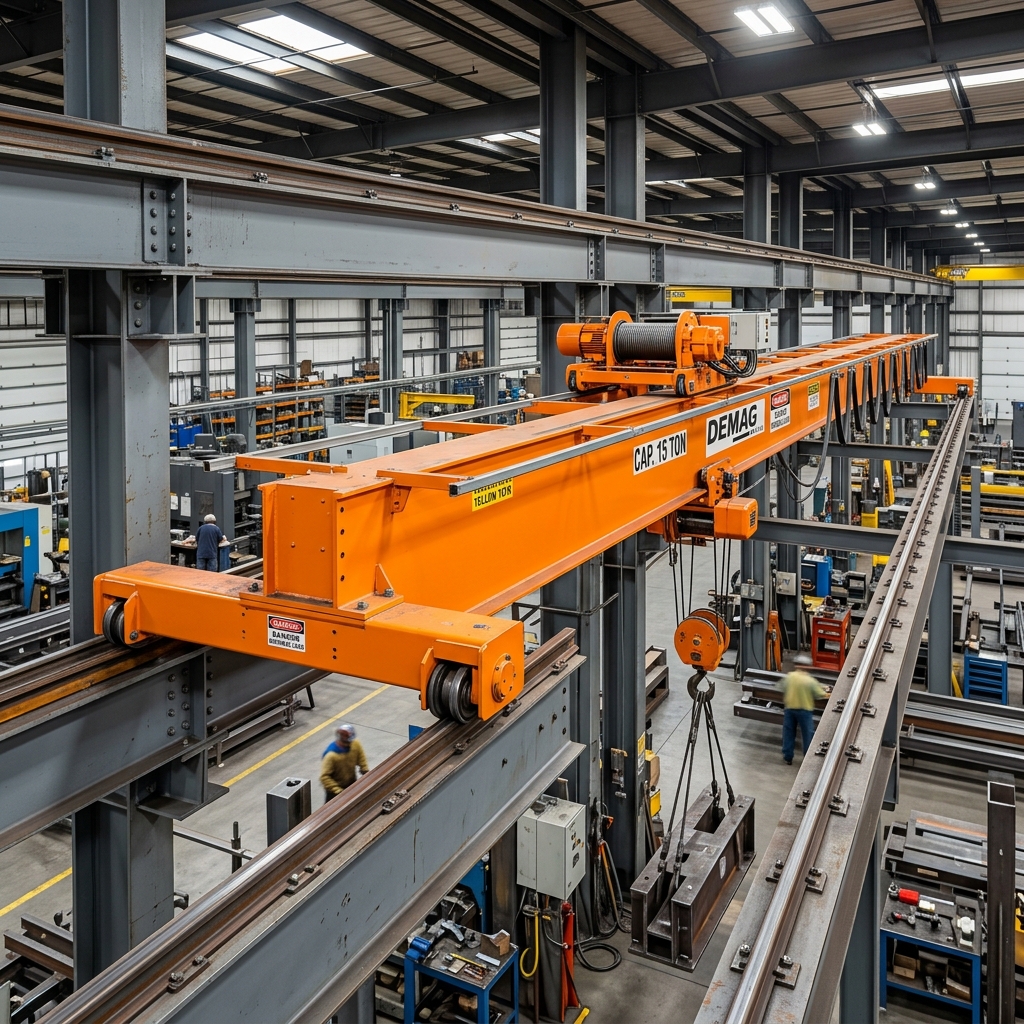
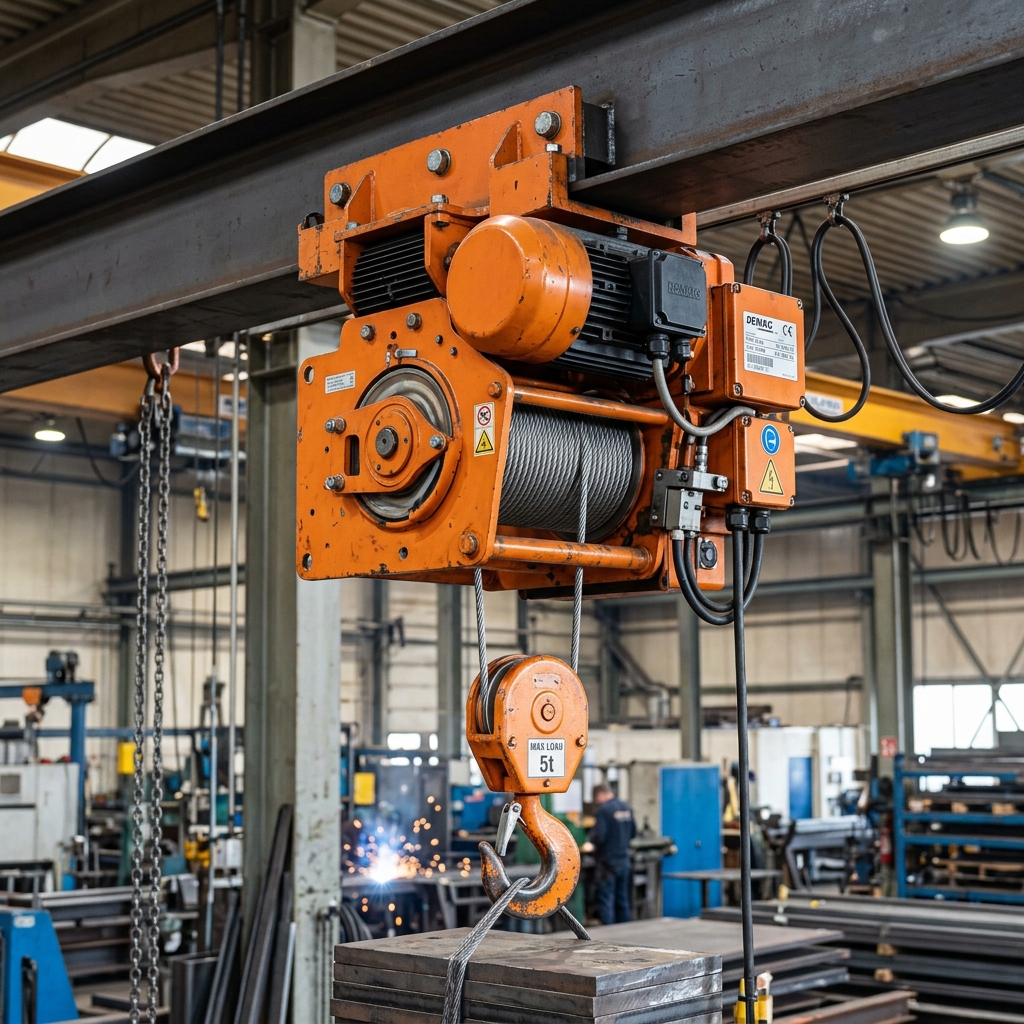
Every industrial workstation layout has specific flow dynamics. When designing a workspace, engineers must evaluate whether a radial reach system (Jib Crane) or a linear path track (Monorail System) is the most efficient choice.
Linear vs Radial Movement:
- Overhead Monorails: Perfect for moving components along a fixed line or curve. Extremely efficient for continuous production processes, painting booths, or blast chambers where materials move in one direction.
- Jib Cranes: Offer high spatial flexibility within a localized circular sector. Excellent for feeding CNC machines, staging heavy parts, or loading local assembly fixtures.
By choosing the layout that matches your assembly workflow, you eliminate idle transport time and streamline floor space.
Have Specific Lifting Requirements?
Get a precise structural drawing, span clearance checks, and a comprehensive quote within 24 hours.
Frequently Asked Questions
Get quick answers regarding industrial cranes, heavy lifting parameters, and engineering protocols.
Single girder EOT cranes are typically ideal for lighter lifting capacities (up to 15-20 Tons) and shorter spans, offering cost-efficiency and lower building load. Double girder EOT cranes are recommended for heavy-duty applications (up to 100+ Tons), longer spans, higher hook heights, and intense continuous duty cycles.
All DBS Engineers overhead cranes are custom-engineered and fabricated in strict compliance with IS:3177 and IS:4137 Indian Standards, as well as international FEM (Federation Europeenne de la Manutention) guidelines, ensuring precise structural deflection ratios and safety factor compliance.
The standard lead time varies from 4 to 8 weeks depending on the capacity, structural span complexity, and specialized automation features. The timeline includes design approval, steel plate rolling, box-girder assembly, testing bed load trials, and shipping.