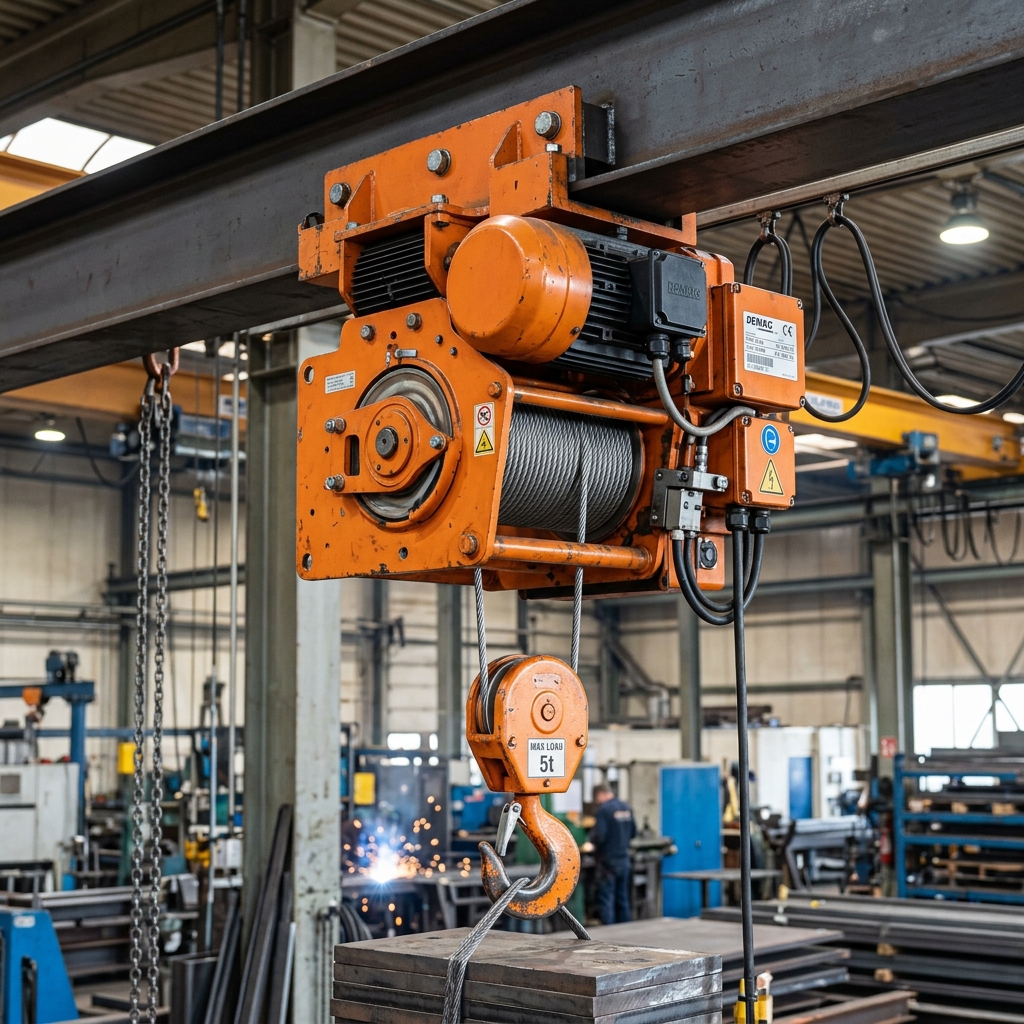
Understanding the Root Causes of Heavy Lifting Failures
Rigorous data analysis reveals that the majority of overhead crane accidents are preventable. By understanding why these incidents occur, warehouse managers can take targeted, proactive steps to protect their crew and machinery.
1. Overloads and Rigging Failures
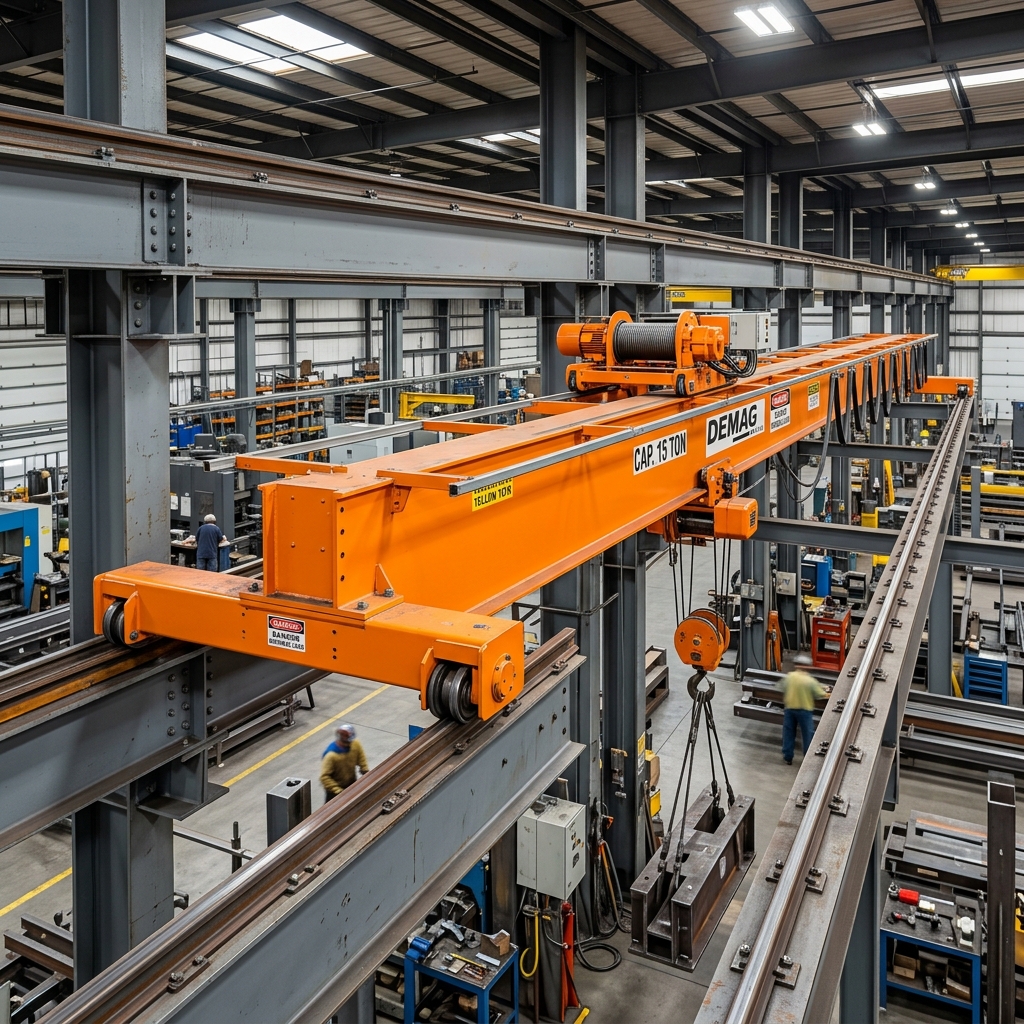
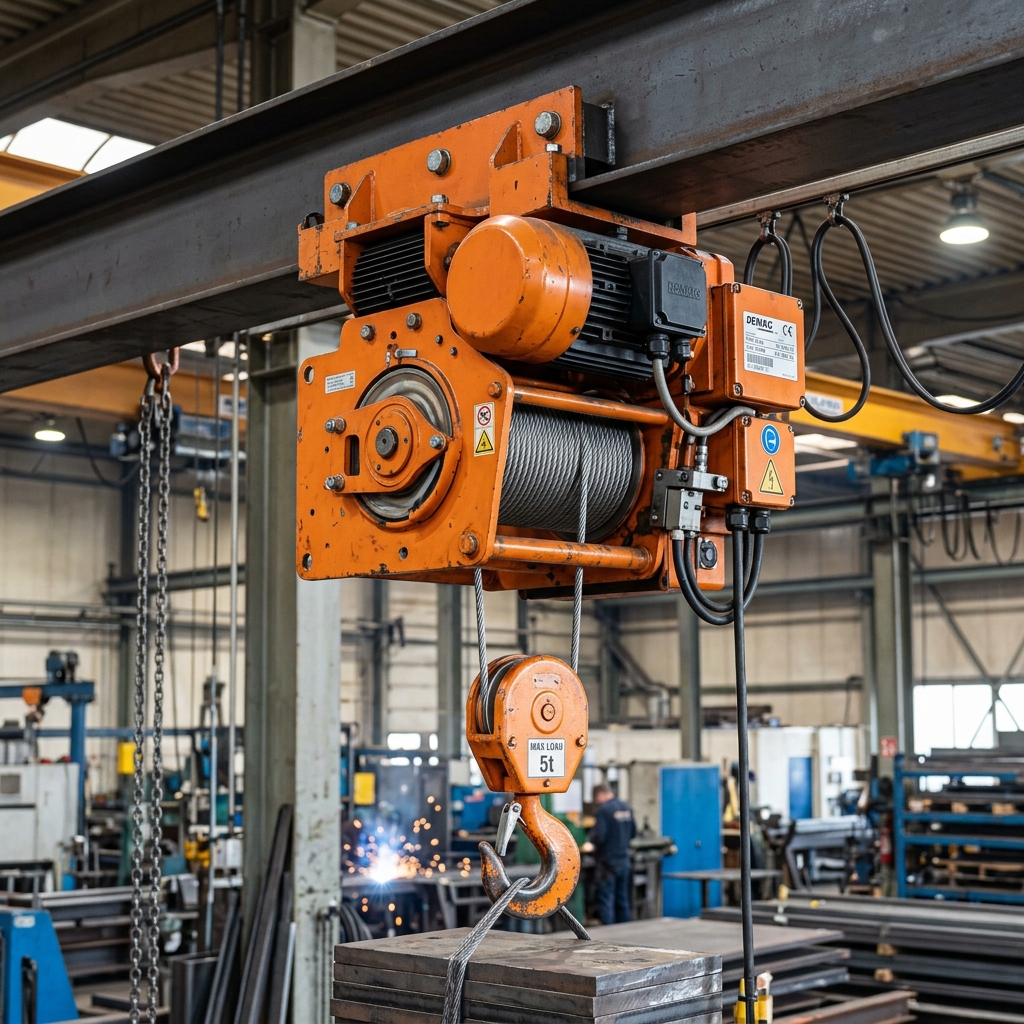
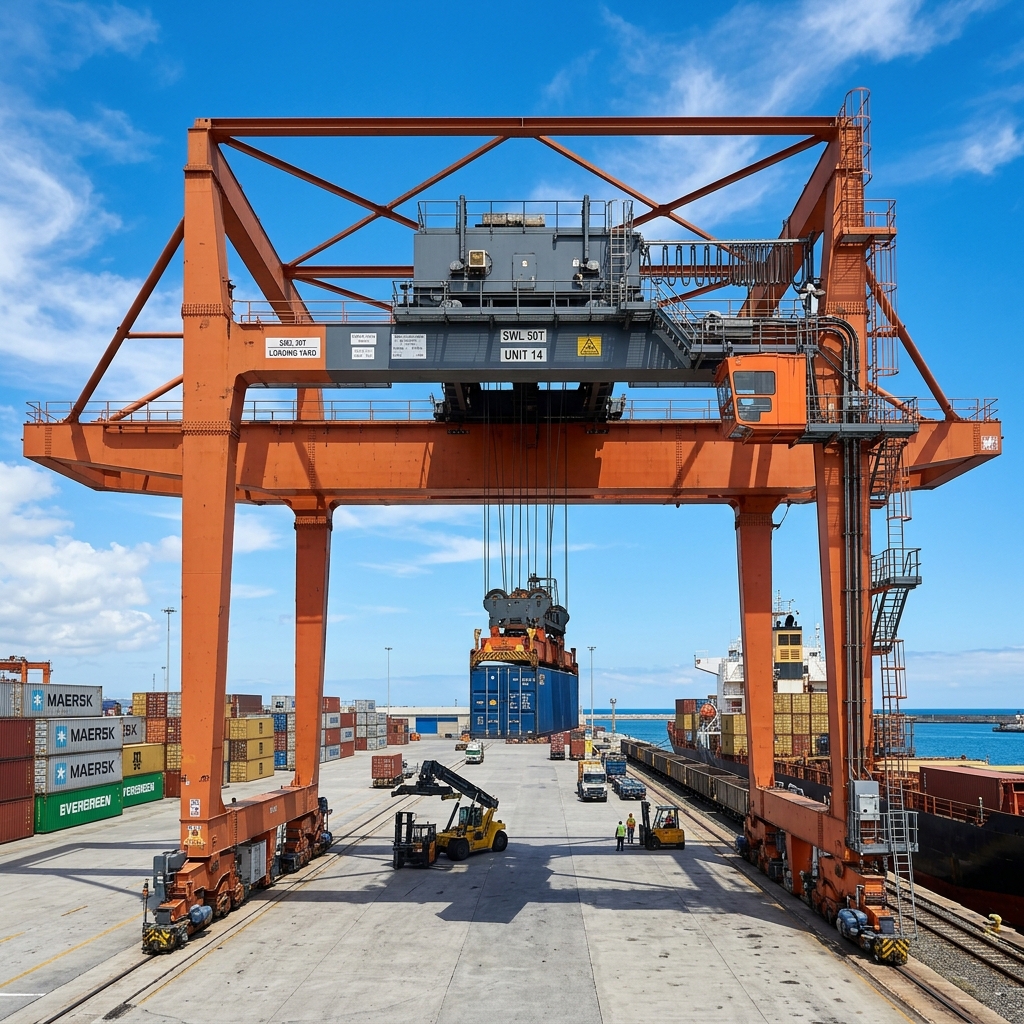
Exceeding the Safe Working Load (SWL) puts immense structural stress on EOT girder welds and wire ropes. Rigging failures happen when operators use worn slings or incorrect knots. Continuous training ensures riggers calculate the angle-of-lift factor correctly.
2. Runaway Hook Swings
Swinging loads collide with machinery, factory walls, or personnel. Operators must be trained to center the trolley directly above the load before initiating a lift, neutralizing the horizontal force vectors that cause swings.
Have Specific Lifting Requirements?
Get a precise structural drawing, span clearance checks, and a comprehensive quote within 24 hours.
Frequently Asked Questions
Get quick answers regarding industrial cranes, heavy lifting parameters, and engineering protocols.
Single girder EOT cranes are typically ideal for lighter lifting capacities (up to 15-20 Tons) and shorter spans, offering cost-efficiency and lower building load. Double girder EOT cranes are recommended for heavy-duty applications (up to 100+ Tons), longer spans, higher hook heights, and intense continuous duty cycles.
All DBS Engineers overhead cranes are custom-engineered and fabricated in strict compliance with IS:3177 and IS:4137 Indian Standards, as well as international FEM (Federation Europeenne de la Manutention) guidelines, ensuring precise structural deflection ratios and safety factor compliance.
The standard lead time varies from 4 to 8 weeks depending on the capacity, structural span complexity, and specialized automation features. The timeline includes design approval, steel plate rolling, box-girder assembly, testing bed load trials, and shipping.